
Introduction
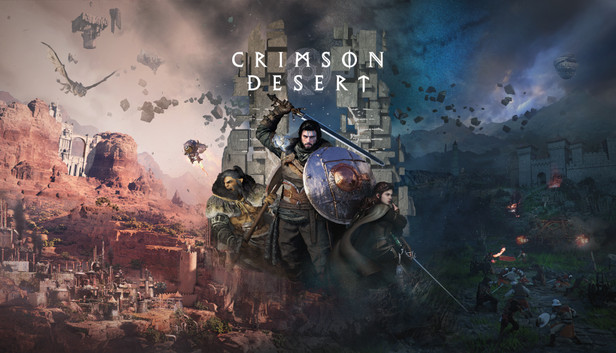
Every few years there is one open‑world action RPG that everyone in development circles talks about in meetings, group chats, and late‑night Discord calls. Heading into March 2026, that game is Crimson Desert. This single‑player open‑world action RPG from Pearl Abyss, the South Korean studio behind Black Desert Online, has grabbed the attention of players and game makers at the same time.
Pearl Abyss first framed Crimson Desert as a prequel to Black Desert Online. Over time, the project shifted into a stand‑alone title that simply shares the wider universe. Instead of an MMO, the team committed to a focused solo campaign built around a mercenary named Kliff and the harsh continent of Pywel, all powered by the studio’s new BlackSpace Engine.
The game is set to release on March 19, 2026 on PlayStation 5, Xbox Series X/S, Windows PC through Steam and the Epic Games Store, macOS, and GeForce Now. In this guide we walk through the world, story, and core gameplay of Crimson Desert, the technology that drives it, and what a project of this scale means for anyone building a career in game development. As a team that lives and breathes game industry hiring at Video Game Jobs, we see this game as a helpful reference point for where the market for game developers and hiring managers is heading.
Key Takeaways
Before we dig deeper into Crimson Desert, here are a few quick highlights.
- Crimson Desert launches on March 19, 2026 across current‑generation hardware. It comes to PlayStation 5, Xbox Series X/S, Windows PC through Steam and the Epic Games Store, and macOS, and it also streams through GeForce Now for players who prefer cloud access.
- Pearl Abyss develops and publishes Crimson Desert using its in‑house BlackSpace Engine. The studio aims at a seamless continent with no loading screens between regions, supporting high visual detail and fast, reactive combat.
- The game takes place on Pywel and follows mercenary leader Kliff in a grounded, story‑driven campaign. Combat mixes melee combos, elemental abilities, horseback fights, and large boss encounters, while life skills such as fishing, cooking, crafting, and hunting add depth between battles.
- Projects on the scale of Crimson Desert signal strong demand for open‑world RPG talent. Studios need narrative designers, gameplay engineers, AI programmers, systems designers, and technical artists who understand complex single‑player worlds.
What Is Crimson Desert? Development, Release, and Editions
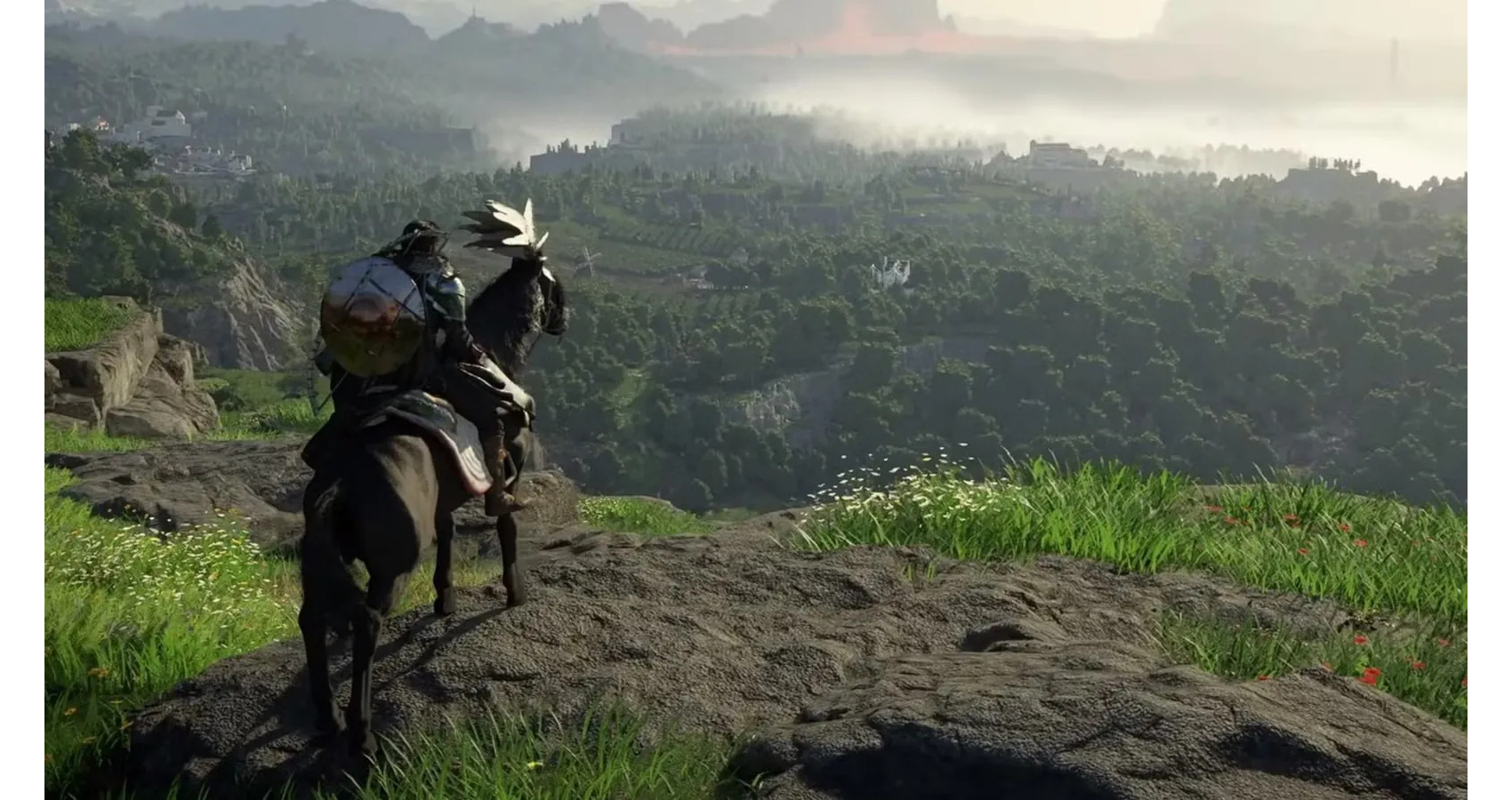
When we talk about Crimson Desert, we are talking about a big swing from a studio with deep experience in large online worlds. Pearl Abyss, known worldwide for Black Desert Online, develops and publishes the game. Director Kim Dae‑il leads the project, with music by composer Ryu Hwi‑man, and the team positions the game squarely as a cinematic open‑world action RPG.
The project did not start that way. At first, Pearl Abyss built Crimson Desert as a prequel to Black Desert Online, meant to explore earlier history in the same universe. As the story, systems, and technology grew, the team shifted course and treated it as a stand‑alone game that only shares broad lore. That change freed the writers and story‑driven mission teams to focus on Kliff and the mercenary band known as the Greymanes instead of MMO continuity.
One important design choice is that Crimson Desert is strictly single‑player. Pearl Abyss has been clear that there are no current plans for co‑op or competitive modes. That gives the designers space to build set‑piece encounters, pacing, and narrative beats without worrying about network code or party composition, which is appealing for many narrative and combat designers.
The global release date for Crimson Desert is March 19, 2026. The game targets PlayStation 5 and Xbox Series X/S, runs on Windows PC through Steam and the Epic Games Store, and also arrives on macOS through the Mac App Store. Players who prefer streaming can access it through GeForce Now, which also matters for developers testing performance and streaming quality. This broad platform support creates work for porting specialists, performance engineers, and QA teams who understand console, PC, and cloud builds.
Pearl Abyss plans three main editions:
- Standard Edition – access to the base game.
- Deluxe Edition – extra digital content such as cosmetics or early items.
- Collector’s Edition – physical items and premium bonuses aimed at committed fans.
On Steam, Crimson Desert carries a content warning for violence and gore, signaling a mature tone. Since its first gameplay trailer at The Game Awards in 2020, the project has maintained strong buzz in both press and development circles, with hardware partners like GIGABYTE Partners with AMD launching bundles to capitalize on the title's anticipated release.
The World, Story, and Gameplay of Crimson Desert
The Continent of Pywel and Kliff's Story
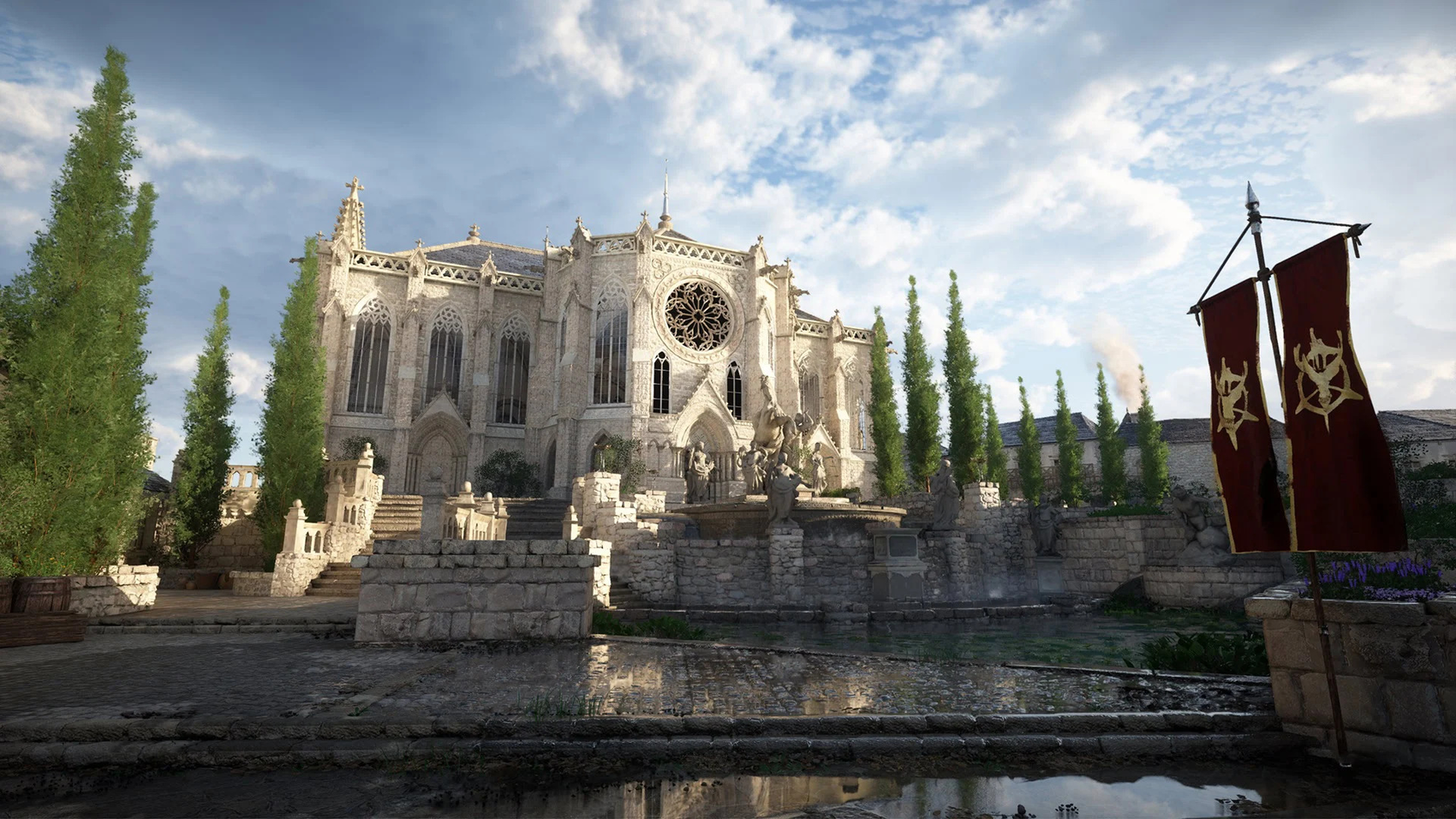
Crimson Desert takes place on the continent of Pywel, a harsh medieval fantasy setting filled with warring factions, cold frontiers, and quiet towns that feel tense rather than peaceful. The BlackSpace Engine streams this world as a seamless space, so players move between regions without loading breaks. That design choice supports long travel, mounted combat, and cinematic camera work across the whole map.
At the center of the story is Kliff, a hardened member of the mercenary company known as the Greymanes. He fights alongside companions who each bring different strengths to the group:
- Oongka
- Yann
- Naira
During a brutal night assault, the rival Black Bears ambush the Greymanes under their ruthless leader Myurdin, leaving many dead and the rest scattered across Pywel.
From there, the story for Crimson Desert follows Kliff as he tries to pull the surviving Greymanes back together and strike back at the Black Bears. That path soon widens into a larger conflict built around a hidden power that moves in the shadows across Pywel. Kliff’s personal need for payback turns into a fight that touches the future of the entire continent, giving writers plenty of room for political plots, moral choices, and character‑driven scenes that appeal strongly to narrative‑focused developers and aspiring narrative designers.
Combat Mechanics and Immersive Activities
Pearl Abyss describes combat in Crimson Desert as intense and player‑driven. Instead of strict patterns with one perfect answer, the system encourages experimentation with weapons, timing, and positioning. That design rewards players who read enemy behavior, string together smart combos, and react quickly to shifting situations on the field. For combat designers, this kind of system highlights the value of readable animations, strong hit feedback, and varied enemy behaviors.
- Melee combat in Crimson Desert focuses on fast strikes, counters, and combo chains that feel weighty but responsive. Elemental effects sit on top of this base, so weapons can gain fire, ice, or other properties to target specific enemy weaknesses. This mix gives combat designers a wide range of tools for enemy variety and encounter pacing.
- Mounted combat lets Kliff swing, shoot, or hurl attacks from horseback while moving at speed through open areas. Enemy groups can surround the player, so spacing and route planning matter during each clash. Large boss fights, including mythical beasts and huge mechanical dragons, stretch this system into set pieces that test understanding of every tool.
- Movement options support combat as well as exploration. Dodges, slides, and quick parkour moves help players stay mobile during crowded fights. The same tools let players climb, scramble, and jump across the environment, which gives level designers freedom to stack vertical routes and hidden paths into each region.
Outside battle, Crimson Desert leans on life skills to make Pywel feel like a lived‑in place. Core activities include:
- Fishing
- Cooking
- Crafting
- Hunting
These give players calmer loops that still feed into progression. A player might hunt for rare meat, cook a meal that boosts stats, then craft gear before riding out to a new contract. For simulation fans and systems designers, these layers help tie economy, exploration, and combat together.
The BlackSpace Engine — The Technology Behind Crimson Desert
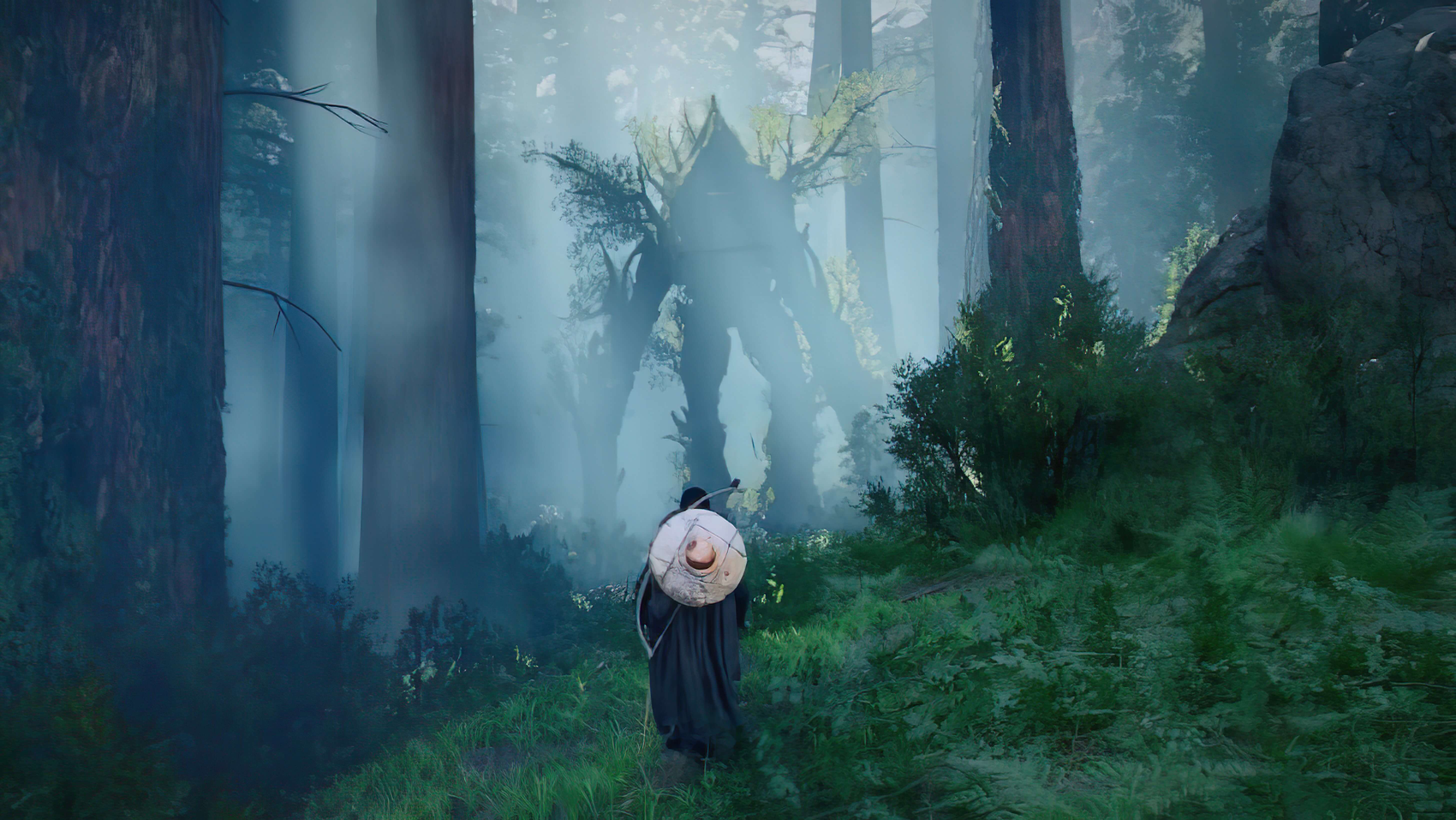
Under the hood, Crimson Desert runs on the BlackSpace Engine, Pearl Abyss’s in‑house technology. This engine builds on the tech first used for Black Desert Online, but it has been pushed far further for a single‑player action RPG. Pearl Abyss uses it to support large open environments, dense animation, and heavy combat effects without constant loading breaks.
For world design, the BlackSpace Engine streams Pywel as one connected space. Terrain, towns, and dungeons fade in and out behind the scenes while the player rides, climbs, or fights. To a technical audience, this points to careful work on:
- Streaming and asset loading
- Memory limits across platforms
- Level of detail (LOD) and culling strategies
For players, it simply feels like a long ride that never pauses for a loading bar.
Combat also benefits from the engine. Crimson Desert shows swarms of enemies, particle‑heavy spells, cloth and hair movement, and large mechanical bosses that shift and collapse during a fight. That kind of scene calls for strong physics, animation systems, and GPU‑friendly effects. The engine has to keep all of that steady at high frame rates while also handling detailed character models and rich lighting.
For developers and technical artists, BlackSpace Engine serves as an example of what a custom engine can do when it focuses on a specific style of game. Many studios rely on Unreal Engine or Unity, but Pearl Abyss chose to keep building its own tools and pipelines. That choice suggests deep internal support for engine programming, graphics, and tools teams. Studying footage from Crimson Desert can give programmers and artists useful insight into current expectations for open‑world visuals and smooth traversal.
What Crimson Desert Means for Game Development Careers

A project like Crimson Desert says a lot about where hiring demand is headed. Big publishers and growing indie studios are putting serious budgets behind large, story‑driven open‑world RPGs. That means bigger teams, longer schedules, and a constant need for people who know how to ship complex single‑player content across several platforms. For anyone planning a game development career, that demand opens up new paths.
"A game is a series of interesting choices." — Sid Meier
This often‑quoted line captures what studios need from designers, engineers, and artists who work on games at the scale of Crimson Desert.
On the creative side, studios look for roles such as:
- Narrative designers who can build branching dialogue and story paths that feel grounded inside a setting like Pywel.
- Systems designers who define combat loops, progression, and life skills such as fishing or crafting.
- Technical and environment artists who shape the look of characters, monsters, and sweeping regions so they run well on console and PC while still hitting a high visual bar.
From a technical view, roles such as gameplay engineer and AI programmer sit at the center of games like Crimson Desert. These roles lean heavily on:
- Strong C++ or C# skills
- Engine experience in tools like Unreal or proprietary tech
- Solid knowledge of optimization and cross‑platform builds
- Sometimes, familiarity with machine‑learning‑driven behavior
In the United States, the game industry continues to grow toward tens of billions of dollars in revenue, with tens of thousands of new game design and development roles projected over the next few years. Average developer pay sits around the low six‑figure range, with senior specialists and leads earning far more.
This is where we see Video Game Jobs playing a direct role for both candidates and hiring teams. Our platform focuses only on the game industry, with search filters that surface openings tied to engines, platforms, and disciplines that matter for open‑world RPGs. We highlight on‑site, hybrid, and fully remote positions, and we let candidates link portfolios that show in‑engine work, AI behavior, combat prototypes, or world‑building samples. Candidates can quickly filter by discipline, seniority, location, and favored engine to find postings that fit their skills. With a large share of roles now open to remote workers, it has never been easier to contribute to games that aim as high as Crimson Desert, even when the studio sits on another coast.
Conclusion
Crimson Desert stands out as one of the most watched releases of 2026, and it earns that attention. A seamless continent, a grounded mercenary story, hard‑hitting combat, and rich side activities all come together through the BlackSpace Engine. On March 19, players on PlayStation 5, Xbox Series X/S, Windows PC, and macOS will see how those pieces fit in practice.
"A delayed game is eventually good, but a rushed game is forever bad." — Shigeru Miyamoto
For studios planning their own large‑scale RPGs, this reminder about quality and pacing applies just as much to hiring as it does to production schedules.
For game developers and hiring managers, the game shows how ambitious single‑player open‑world RPGs now set the bar for scope and quality. Projects on this scale need strong narrative, engineering, AI, art, and production talent. If the idea of working on the next Crimson Desert‑level RPG is exciting, or if a studio needs specialists who can help build worlds at that level, we built Video Game Jobs to make those connections simple. It is a focused way to find or hire the people who bring these kinds of worlds to life.
FAQs
Is Crimson Desert single-player or multiplayer?
Crimson Desert is built as a strictly single‑player experience. Pearl Abyss has stated that there are no current plans for co‑op or competitive modes. By focusing fully on solo play, the team can tune encounters, story pacing, and difficulty around one player instead of party setups.
What platforms will Crimson Desert be available on?
At launch, Crimson Desert comes to PlayStation 5 and Xbox Series X/S, as well as Windows PC through Steam and the Epic Games Store. The game also releases on macOS via the Mac App Store. For players who prefer streaming, it is available through the GeForce Now cloud service.
Is Crimson Desert related to Black Desert Online?
Crimson Desert shares a wider universe with Black Desert Online, and the project first began as a planned prequel. During development, Pearl Abyss reshaped it into a stand‑alone story with its own protagonist, Kliff, and its own conflict on the continent of Pywel. Players do not need any history with Black Desert Online to follow the new game.
What engine does Crimson Desert use?
Pearl Abyss builds Crimson Desert on its proprietary BlackSpace Engine. This technology grows out of the engine used for Black Desert Online, but it has been pushed further for a seamless single‑player world. BlackSpace Engine handles the detailed environments, large battles, and smooth streaming that define the new RPG.
