

Introduction
Watching the credits roll after a favorite game, plenty of people think the same thing:
“I wish my name was in there.”
Entry level game dev jobs are how that thought turns into reality.
Studios of every size hire juniors across programming, art, design, QA, and community, but competition is fierce. Job posts ask for portfolios, shipped projects, and engine experience, even when the title says “junior.” Without a clear plan, it is easy to feel stuck on the outside.
That is where we come in. At Video Game Jobs, we focus only on gaming careers, so we see what actually gets candidates hired. This guide walks through common entry level roles, the skills that matter, how to build a strong portfolio, realistic salary ranges, and where to find real openings. By the end, you will have a concrete action plan to move from “someday” to sending focused applications to studios that fit your goals.
“Fun is just another word for learning.” — Raph Koster
Key Takeaways
Think of this section as the mini-map for the rest of the guide. Each point is something you can act on quickly.
- The main entry points into game development are QA testing, junior programming, junior art and animation, entry level design, and community roles. Each path leans on different strengths, from code to communication, so choosing the right lane keeps preparation focused.
- A strong portfolio matters more than a perfect resume or degree for most entry level game dev jobs. Studios want proof you can build, draw, animate, design, or ship work, even if the projects are small.
- Entry level pay in the United States usually ranges from $40,000–$80,000 a year, depending on role, city, studio size, and whether the job is full time, contract, or part time.
- AAA studios and indie teams both offer real growth, but the day-to-day experience is very different. Big studios bring structure and higher average pay; smaller teams often mean broader responsibilities and faster learning.
- Specialized job boards such as Video Game Jobs, along with places like Remote Game Jobs and Work With Indies, make the search far more targeted than general platforms. Pair those with solid skills, a good portfolio, and steady networking, and your odds of landing that first role rise sharply.
Understanding The Entry-Level Game Development Field

When studios say “entry level,” they usually mean roles aimed at people with zero to two years of professional experience. In games, that almost always assumes some kind of project history: game jam entries, student work, mods, or self-made prototypes. A clear portfolio often carries more weight than a traditional first-job resume.
There are more paths into games than ever: internships, contract gigs, remote roles, and volunteer spots on small indie teams or mods, though young people can't find jobs as easily as previous generations due to shifting market dynamics and increased competition. At Video Game Jobs, we sort openings by discipline, level, and requirements specifically for gaming, so you can quickly see which roles match your current skills and which ones are realistic stretch goals.
Common Entry-Level Game Development Roles
Entry level roles do not all look alike. Some focus on finding bugs, others on code, art, levels, or player communities. Understanding these paths helps you match your strengths with the right starting point instead of chasing every opening.
Quality Assurance (QA) And Game Testing
QA testers spend their days playing unfinished builds, breaking things on purpose, and writing clear bug reports—and while some research examines whether (PDF) Does video games' popularity affect employment patterns, the demand for skilled testers remains strong across the industry. Good QA also spots pacing issues, confusing interfaces, and balance problems, then explains them in a way designers and programmers can act on.
Attention to detail, patience, and strong written communication are key. Over time, testers can move into senior QA, become test leads, or step into production or design roles by using their deep knowledge of how the game feels to players.
Junior Programming And Development

Junior programmers turn ideas into working gameplay. They write and debug code for controls, UI, AI, tools, or networking, often in engines like Unity, Unreal Engine, or Godot. Even at junior level, studios expect understanding of core concepts such as object-oriented design, data structures, and version control.
Common languages include C++ for Unreal-focused work and C# for Unity projects. Programmer portfolios should show small games or features—game jams, student work, or self-directed prototypes—rather than only class assignments.
Junior Art And Animation
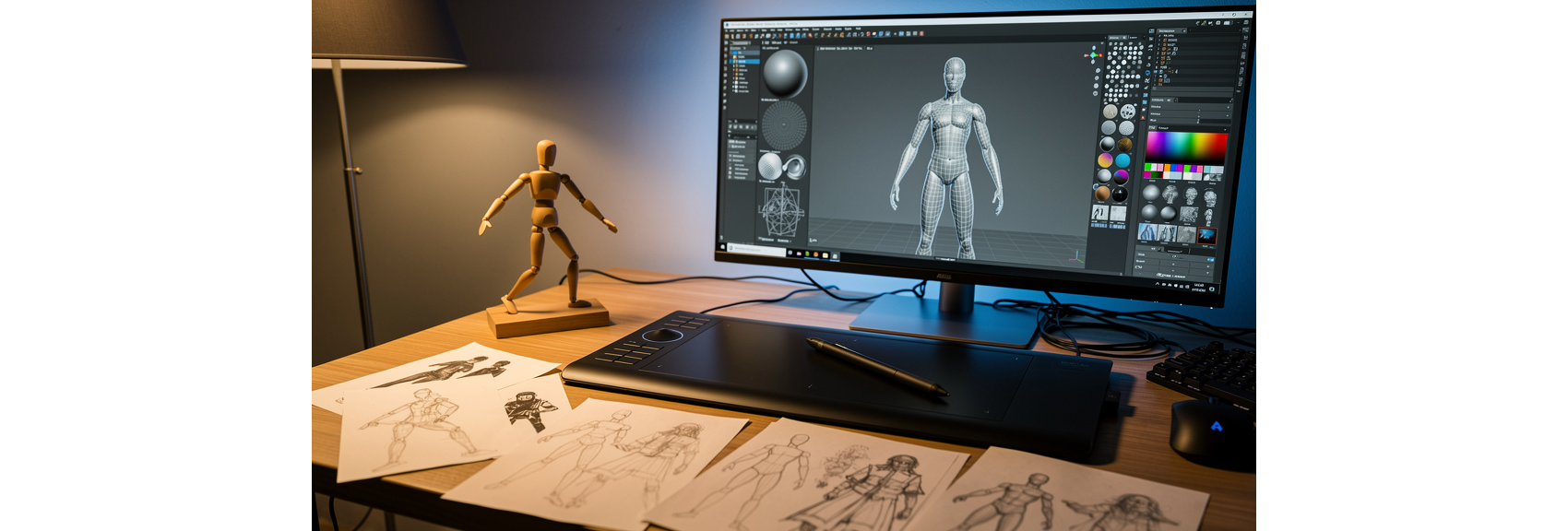
Junior artists and animators build the visual side of games under senior guidance. Daily work can include:
- Modeling props, environments, or characters
- Painting textures and setting up materials
- Animating movement cycles and cutscenes
- Importing assets into the engine and checking how they look in context
Tools might include Blender or Maya for modeling, ZBrush for high detail, Substance Painter for textures, and Photoshop for 2D. A focused portfolio with finished, game-ready assets matters far more than a long list of tools.
Entry-Level Design Positions
Entry level designers help shape how a game plays. They may build levels, script enemy encounters, place pickups, and tweak values until combat, puzzles, or progression feel right. They also help with design documents and review player feedback.
These roles sit where creativity meets logic. Basic familiarity with level editors, scripting tools, and engine features is important, as is the ability to explain design choices clearly and connect them to better moment-to-moment gameplay.
Community Management And Social Media
Community roles focus on the relationship between a studio and its players. A Community Manager or Social Media Associate might:
- Write patch notes and dev updates
- Share posts and memes across social channels
- Respond to player questions and concerns
- Run Discord, subreddit, or forum spaces
Strong writing, empathy, and a real feel for online culture matter more here than deep technical skills. Over time, community staff can move into marketing, user research, production, or even design by bringing the player’s voice into the team.
Essential Skills And Qualifications
Every entry level game dev job mixes technical skills with people skills. The exact mix changes by role, but almost all studios want people who can work with modern tools, communicate clearly, and keep learning.
Technical Skills And Software Proficiency
Most development-focused jobs expect familiarity with at least one major engine such as Unity, Unreal Engine, or Godot. That means being able to import assets, hook up simple logic, and build a small playable scene—not just opening the editor once.
Programmers usually need experience with:
- One or more languages (often C++ or C#)
- Source control tools like Git
- Debugging and performance basics
Artists and animators are judged heavily on what they create in tools like Blender, Maya, ZBrush, Substance Painter, and Photoshop. For audio and online work, tools such as Wwise, FMOD, and cloud platforms like AWS can give you an extra edge.
Soft Skills And Professional Attributes
Games are made by teams, so studios look closely at communication, teamwork, and problem-solving. Helpful traits include:
- Writing clear documentation and bug reports
- Explaining technical topics in plain language
- Staying calm under pressure and deadlines
- Being willing to ask questions and learn from feedback
Time management and real enthusiasm for games signal that someone can grow quickly from junior to mid-level.
“A game is a series of interesting decisions.” — Sid Meier
Building A Portfolio That Gets You Noticed

In game development, a portfolio is proof. A few polished pieces that match the kind of work a studio does often beat a huge page of half-finished experiments.
Portfolio Essentials For Programmers
Programmer portfolios work best when they include small, finished projects with source code available. Hosting them on GitHub with clear readme files makes it easy for hiring managers to understand what each project does.
Aim to show:
- Gameplay code (movement, abilities, UI)
- Simple AI or enemy behavior
- Tools or editor extensions, if you have them
Short videos or GIFs of features running in-engine help non-programmers see the result of your work.
Portfolio Essentials For Artists And Animators
Visual portfolios should feel like a carefully arranged gallery. Focus on:
- High quality renders of characters, props, and environments
- Wireframes, texture maps, and triangle counts for real-time assets
- At least one asset shown inside a game engine
Animators benefit from a short reel that starts with the strongest shot and covers locomotion, combat, and expressive acting. As you improve, remove older pieces so only your best work remains.
Portfolio Essentials For Designers
Design portfolios can mix:
- Short design documents with diagrams and goals
- Level layouts, encounter setups, and screenshots
- Small playable prototypes in tools like Unity, Unreal, or Twine
Each piece should explain the problem, the idea, and what changed after playtesting. Breakdowns of existing games—how they handle difficulty, progression, or combat—can also show clear design thinking.
Portfolio Essentials For QA And Other Roles
QA candidates can stand out by sharing sample bug reports that are step-based, clear, and easy to reproduce. A small blog or series of posts reviewing games from a usability or testing angle also shows serious interest.
For community roles, examples of social posts, content calendars, Discord moderation, or patch notes are powerful proof. Short videos, articles, or podcast clips about games all demonstrate communication skills and audience awareness.
Where To Find Entry-Level Game Development Jobs
Many great entry level game dev jobs never show up on general job sites. Using game-focused platforms and smart networking gives you far better odds than random browsing.
Specialized Gaming Industry Job Boards
We built Video Game Jobs for this exact reason. Our platform lists roles only from the gaming industry—programming, art, design, QA, production, community, and more. Because we speak with studios regularly, we highlight what they actually want from junior candidates in each posting.
Other niche boards worth watching include:
- Remote Game Jobs – focuses on fully remote roles, often tagged by level
- Work With Indies – highlights independent studios and smaller teams
These sites use game-specific tags and filters, so it is easier to sort by discipline, seniority, and location.
General Professional Networks And Job Platforms
Mainstream platforms still matter if used with intent. LinkedIn is especially helpful for:
- Following studios and setting alerts for junior roles
- Connecting with hiring managers and recruiters
- Sharing your projects and portfolio updates
Sites such as Indeed and Glassdoor can surface additional openings, plus reviews about work culture and salary bands. Used together with Video Game Jobs, they provide a broad yet targeted view of the market.
Direct Applications And Networking
Some studios only post roles on their own sites or share them quietly on social channels. Make a list of target companies and check their career pages regularly. Following studios on Twitter, Instagram, or LinkedIn also helps, since many announce new roles there first.
Networking means showing up consistently, not spamming for referrals. Join game dev Discords, attend meetups or online talks, ask thoughtful questions, and share progress on personal projects. Over time, hiring managers start to recognize your name when your application lands in their inbox.
Understanding AAA Studios Vs. Indie Developers
Choosing where to start matters almost as much as choosing a role. AAA studios and indie teams both make great games, but the day-to-day experience can feel very different.
AAA Studio Characteristics And Opportunities
AAA studios are the big, well-known names that ship large-budget titles. For entry level hires, they often offer:
- Higher salaries and strong benefits
- Structured onboarding and training
- Clear career ladders in a narrow specialty
The trade-off is that roles can be very focused, decision lines are longer, and it may take years to see your work reach players. Competition for junior roles is intense because many candidates dream of working on famous franchises.
Indie Studio Characteristics And Opportunities
Indie studios range from tiny teams to companies with a few dozen staff. Budgets are smaller, but creative control is usually higher, and projects can explore fresh ideas more easily. Entry level team members often take on a wide mix of tasks, learning programming, design, art, or production skills all at once.
On the downside, pay and benefits can be lower, and funding is sometimes less stable. For some people, the chance to have a big impact on a shipped game early in their career is worth the risk; others prefer the stability and predictability of a large studio.
Salary Expectations And Compensation
Money should not be the only factor, but it matters when planning a career. Entry level salaries in game development vary widely by role, location, and studio type.
Entry-Level Salary Ranges By Role
In the United States, typical full time ranges look something like this:
- QA and game testing: roughly $35,000–$50,000 per year
- Junior programmers: roughly $55,000–$80,000, often higher in major hubs
- Junior artists, animators, and designers: roughly $45,000–$75,000
- Community and social roles: roughly $40,000–$60,000
Cities like Los Angeles, Seattle, or Austin may pay more on paper but also come with higher rent and living costs. Indie studios may pay less than AAA, but sometimes add equity or revenue share.
Understanding Total Compensation
Base salary is just one piece. Also look at:
- Health insurance and retirement plans
- Paid time off and parental leave
- Bonuses, revenue share, or project-completion bonuses
- Training budgets and conference trips
Contract roles may pay more per hour but often lack these benefits and can end as soon as a project ships. The best first job is usually a mix of fair pay, solid learning, and a healthy work culture.
Job Types And Work Arrangements
Game development no longer means only a nine-to-five office job. Studios mix full time staff with contractors, interns, and freelancers, and use on-site, hybrid, and remote setups.
Employment Type Options
Common arrangements include:
- Full time: steady paycheck, benefits, and clearer growth paths
- Contract: fixed length work tied to a project phase, such as testing or DLC
- Part time: often in QA or community, sometimes paired with school or another job
- Internships: time-limited roles with mentorship and a chance at future offers
- Freelance: common for specialized art or audio; more freedom, more self-management
Each path has different levels of security and responsibility, so match them to your current life situation and risk tolerance.
Work Location Models
Studios use several location models:
- On-site: everyone in the same office, helpful for learning directly from senior staff
- Hybrid: some days in the office, some at home
- Fully remote: team spread across regions or countries
Remote work rewards good written communication, discipline, and comfort with tools like Slack, Discord, and video calls. Many roles still require you to be in certain time zones or countries for legal reasons, but you no longer need to live in one specific city to start a game career.
Application Best Practices And Interview Preparation

Once your skills and portfolio are in place, the next challenge is presenting them well. Strong applications and thoughtful interview prep can help a junior candidate stand out, even with limited experience.
Crafting Effective Applications
Treat each application as its own small project:
- Read the job post carefully and mirror its keywords where honest
- Mention specific games the studio has shipped and how your work connects
- Keep your resume to one page with a clear skills section and a visible portfolio link
- Use bullet points that highlight concrete results, such as shipped jam games or class projects
Cover letters are short chances to explain why this role matters to you and what you bring. Talking briefly about a favorite mechanic from the studio’s games—and how it inspired your own work—leaves a stronger impression than generic praise.
Interview Preparation And Success
Good interviews start well before the call:
- Play (or watch) recent gameplay of the studio’s titles and read patch notes
- Practice walking through your portfolio pieces, including mistakes and lessons learned
- Review basic questions about your tools, process, and how you handle feedback
Technical roles may include coding tests; art and design roles may come with take-home exercises. Treat them as chances to show clear thinking, not just polished results. Ask honest questions about how juniors are mentored, how feedback works, and what a typical week looks like.
“A delayed game is eventually good, but a rushed game is forever bad.” — Shigeru Miyamoto
Getting Started – Your Action Plan
Breaking into game development is less about waiting for the “perfect moment” and more about steady progress. Turning advice into small, repeatable actions keeps momentum going.
Immediate Action Steps
Over the next few days, try to:
- Compare your current skills with several real entry level game dev jobs
- List the engines, tools, and responsibilities that show up repeatedly
- Start or polish one small project that matches those requirements
- Set up or refresh your portfolio site, ArtStation page, or GitHub
- Create a free account on Video Game Jobs and set alerts for roles that match your goals
These steps give you a clearer target and a place to send people when they ask to see your work.
30-Day Action Plan
Give yourself one focused month:
- Week 1: Clean up the portfolio and send a handful of carefully targeted applications.
- Week 2: Join at least one game dev Discord, share work, and ask for feedback.
- Week 3: Join a small game jam or set a weekend challenge to build and polish a tiny mechanic.
- Week 4: Add that new work to your portfolio, review which applications led to replies, and adjust your resume or cover letter based on what you learn.
Repeat this loop of build → share → apply → adjust. Over time, the quality of your work and your chances of landing interviews both climb.
Conclusion
Breaking into game development can feel intimidating, especially when every posting seems to demand experience you do not yet have. Every name in those credits started in the same place: trying to ship that first piece of work.
At Video Game Jobs, we see candidates land their first roles when they focus on small finished projects, stay active in the community, and apply thoughtfully instead of randomly. The path may not be straight, but each prototype, game jam, and application adds momentum.
If this guide sparked ideas, pick one concrete action for today—opening an engine, rewriting your resume, or creating an account on Video Game Jobs—and do it. Then keep going, step by step, until your name scrolls by on a credits screen and someone else thinks, “I wish that was me.”
FAQs
Many people share the same worries when they start looking for entry level game dev jobs. Clearing up these questions can make the first steps feel less mysterious.
Question – Do I Need A Degree In Game Development Or Computer Science To Get An Entry-Level Job?
A degree can help, especially for some programming and technical art roles, but it is not required everywhere. Many studios care more about a solid portfolio, finished projects, and proof that you can learn quickly. Self-taught developers with strong work often stand alongside graduates. What matters most is showing practical skills and the ability to collaborate.
How Long Does It Usually Take To Land A First Game Dev Job?
The timeline varies a lot. For many people, it takes several months of focused effort: building or improving a portfolio, sending targeted applications, and networking. Some candidates find a role within a few weeks; others need six months or more. Steady progress and regular feedback usually matter more than raw speed.
Can I Start A Game Career If I Do Not Live Near A Major Studio Hub?
Yes. Remote and hybrid work have made it much easier to start a career without moving to a big city. Many indie studios—and some larger companies—hire fully remote juniors as long as time zones and legal work status line up. Living away from major hubs may limit on-site options, but it often lowers living costs, which can make contract or freelance work more manageable. Platforms like Video Game Jobs help you spot remote-friendly listings fast.
How Much Experience Should I Have Before Applying For Entry Level Game Dev Jobs?
You do not need years of experience, but you should have something real to show. That might be a few small games, a polished art portfolio, a design prototype, or detailed QA reports from testing betas. Once you have two or three strong pieces that match real job requirements, it is time to start applying. Waiting until everything feels perfect often slows you down more than it helps.
Are Internships Worth It If They Pay Less Than Full-Time Roles?
For many people, yes. Paid internships provide direct exposure to studio workflows, mentorship, and credits on shipped titles, which are hard to get alone. Even a three-month internship can lead to a full time offer or make later applications much stronger. When you can, weigh the lower short-term pay against the long-term boost to skills, contacts, and the strength of your resume.