
Introduction
The games on a shelf or a home screen look simple from the outside. Behind each one sits a team of people who treated that title like a puzzle they had to solve piece by piece, following principles established in research on designing effective serious games and interactive experiences. When I look at how fast the medium is growing, I see more and more space for new minds to step in and help solve those puzzles.
Market researchers expect the global video game industry to rise from 220.79 billion dollars in 2022 to 583.69 billion dollars by 2030. That growth creates a wave of game design career opportunities for people with very different strengths. Game design is no longer one vague job. It now covers many focused roles across systems, story, code, art, testing, and leadership.
With all these paths, it can feel hard to know where to start. Some people love numbers and balance. Others care about characters and story. Some feel most at home inside an engine or a 3D package. To make smart choices, it helps to see how each path works, what skills it needs, and how it tends to grow over time.
At Video Game Jobs, we work only with game studios and gaming professionals, so we see these patterns every day. Our platform focuses on game design career opportunities from junior to director level, across indie teams, mobile studios, and large publishers. In this guide, I will walk through eight core paths that sit inside or alongside game design. By the end, you will have a clearer sense of where you fit and how Video Game Jobs can help you find the right next role.
“Every game is a team sport, and design is where all those skills meet.” – Common saying among senior designers
Key Takeaways
Before we dive into each path, it helps to keep a few core ideas in mind. These points act like a mini map you can return to while you read the rest of the guide.
- There are at least eight clear game design career opportunities that show up again and again across studios. These range from creative paths such as Narrative Designer to highly technical roles like Gameplay Engineer and AI Programmer. When you see them laid out side by side, it becomes easier to match your strengths and interests to a job that fits.
- Entry paths often look different from the jobs people dream about, and that is normal in this field. Roles such as QA Tester or Junior Designer give hands-on time with real projects and real teams. Many experienced designers and producers started there and moved into more focused positions once they understood how development flows.
- The best game designers mix hard skills and soft skills rather than leaning on just one side. Programming, UX or UI, and rapid prototyping matter a lot, but so do creativity, teamwork, and clear written and verbal communication. Studios want people who can talk with engineers and artists and still keep the player experience in focus.
- A strong portfolio is more powerful than a line on a degree. Personal projects, mods, and game jam work show that you can finish things and make good choices under limits. Even small games speak loudly when they are polished, playable, and documented well. Formal education can help, yet many studios care more about what you have actually shipped or built.
- Salary ranges in game design stretch quite wide in the United States. Data from 2023 points to about 42 thousand dollars for the lowest paid designers and 105 thousand dollars or more for very experienced staff. The midpoint sits around 67 thousand dollars, with specialized engineers and leaders often going higher than that range.
- Demand for talent keeps going up as the market grows and platforms spread. Related jobs such as software developers are projected to see about twenty five percent growth through 2031. Artists and animators are expected to see around five percent growth. Those numbers point to long term need for people who can support game design at a high level.
- At Video Game Jobs, we center everything on game design career opportunities and other game development roles. We pull in curated listings, add context about skills and pay, and share guides like this one to help candidates and hiring managers speak the same language. That focus sets us apart from broad job boards that cover every industry.
- Long term success in this space depends on steady growth and real connections. Joining groups such as the International Game Developers Association, going to meetups, and taking short courses helps you stay sharp. When you combine that with a strong profile on Video Game Jobs, you give yourself a better chance to move into new roles as your skills grow.
1. Video Game Jobs: Your Gateway To Game Design Careers
When I say Video Game Jobs focuses on game design career opportunities, I mean that in a very literal way. Our entire platform lives inside the gaming space. We work with studios and professionals who think about mechanics, levels, systems, art, and production all day, so our listings speak directly to that work.
Because we do not cover every industry, we can dig much deeper into game design roles than a general job site. We post openings for junior designers, systems specialists, narrative leads, gameplay engineers, producers, and more. Those jobs come from indie teams, mobile studios, and large publishers that need talent who already understand games and game culture.
Beyond listings, we share career resources that break down skills, tools, and portfolio tips for each path. We support students, people who are shifting from other tech fields, and veterans who want to move up to senior or leadership roles. Our goal is simple: make it faster and less confusing for you to move from interest to a real role through clear, focused information and targeted openings.
“Specialized job boards save everyone time – candidates see better roles, and studios see better matches.” – Hiring manager at a mid-size game studio
2. Systems Designer: Architect Of Game Mechanics

When I think about pure design work, the Systems Designer often comes to mind first. This role sits at the heart of how a game actually works, defining the role and scope of the mechanical systems that drive player interaction. Systems Designers plan and tune mechanics such as combat, in-game economy, progression, and resource loops so that the whole experience feels fair and engaging over many hours.
Day to day, a Systems Designer spends a lot of time with spreadsheets, prototypes, and playtests. They define rules, set values, watch players interact with them, then adjust numbers until the game feels right. That process calls for:
- Strong math skills and comfort with probability
- The ability to read and act on data from tests or live builds
- Clear documentation so the rest of the team can follow the design
They also work closely with programmers to make sure the logic they design can be implemented smoothly.
This path fits people who enjoy solving complex puzzles and thinking about balance. You might start as a Junior Systems Designer or a more general Game Designer, then move into senior and lead roles that focus on an entire combat model or economy for large projects. Pay usually lines up with other design positions, and deep expertise in a tricky area such as free-to-play economy can raise your value. Among all game design career opportunities, this is one of the best options for analytical minds.
“If nobody complains about balance, your systems are probably too safe.” – Comment often heard from senior systems designers
3. Level Designer: Crafting Player Experiences
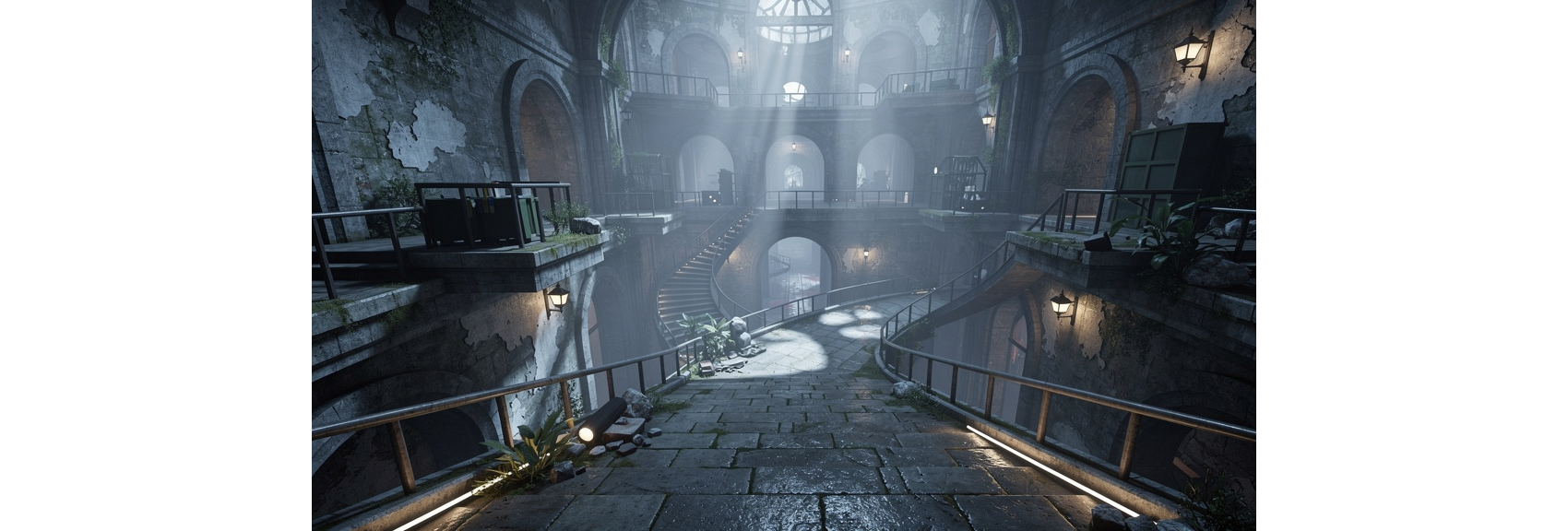
Level Designers shape what players actually see and do from minute to minute. Where Systems Designers focus on rules and values, Level Designers focus on spaces, pacing, and how those rules feel inside a map or mission. They use tools inside engines such as Unity or Unreal Engine to build environments, place enemies and items, and guide players through each area.
Good level work blends creative vision with technical understanding. A Level Designer plans layouts that feel clear without hand holding and that teach mechanics step by step. They must think about:
- Enemy placement, cover, and sightlines
- Platforming routes and jump distances
- Checkpoints, secrets, and backtracking paths
- Difficulty curves that work for both new and skilled players
This path suits people who like thinking in three dimensions and enjoy building custom maps or mods. Many Level Designers began by making maps for shooters or strategy games and sharing them online as portfolio pieces. Over time they move into senior and lead roles that oversee entire regions or worlds. For people exploring game design career opportunities with a strong visual sense but less interest in raw art production, level design can be a great middle ground.
4. Narrative Designer: Storyteller Of Interactive Worlds
Narrative Designers handle the story side of the design team. They build the characters, lore, dialogue, and plot structure that give a game emotional weight. Unlike writers for books or film, they must always think about how story and gameplay fit together, since players can move at their own pace and make choices that shift events.
A Narrative Designer might write dialogue, outline branching storylines, and create documents that explain the world in deep detail for the rest of the team. They work with quest designers, level designers, and sometimes with voice actors and audio staff to time scenes well. They also have to respect technical limits such as memory, text boxes, localization needs, and recording schedules, which can change how much content they can include.
Many Narrative Designers also use tools such as Twine, Ink, or custom in-house editors to script dialogue and choices directly into the game. That mix of writing and light scripting gives them more control over pacing and player flow.
This path is ideal for people who love both writing and games as a medium. Strong samples matter here, from interactive fiction to sample quests or visual novels that show how you handle player choice. Over time, Narrative Designers can grow into senior roles and even Narrative Director positions on larger projects. As more studios invest in story-driven titles, this has become one of the most visible game design career opportunities for creative minds.
5. Game Programmer: Bringing Designs To Life Through Code
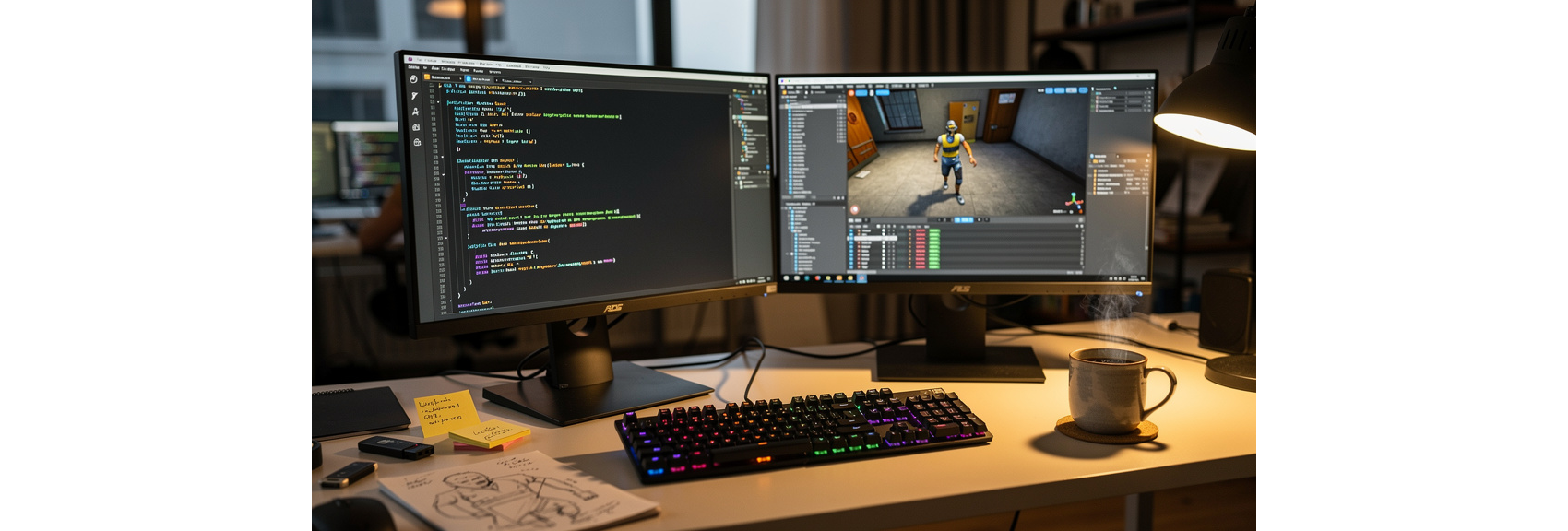
While designers plan how a game should feel, Game Programmers make that plan real. They write the code that moves characters, reads input, plays animations, and connects players online. To do this well, they need strong skills in languages such as C++, C#, or Java and deep comfort inside engines and build tools.
Within programming, many specializations support game design:
- Gameplay Engineers work closely with designers to build player movement, combat, abilities, and other interactive systems.
- AI Programmers focus on enemies and non-player characters, shaping how they move, react, and make choices.
- Other engineers may handle graphics, networking, audio, or internal tools that speed up work for the whole team.
Programming roles often sit on the higher end of the pay scale because they mix design sense with hard technical skills. Many people follow a path from computer science programs, coding bootcamps, or self-taught projects into junior gameplay positions. From there, they can grow into senior engineer or Technical Director roles, or specialize in areas such as virtual reality or procedural content. For anyone who enjoys both games and coding, this is one of the strongest game design career opportunities available.
Breaking Into Game Programming
Getting into game programming can feel scary at first, but it becomes manageable when you break it into steps. I like to focus on small, clear projects that match the skills studios expect to see.
- Start with an engine and language that match common studio needs. Many beginners choose C# with Unity or C++ with Unreal Engine, since both engines offer strong free learning material and documentation. Pick simple tutorials, then slowly move from copying instructions to creating your own twists on small projects.
- Build tiny games that show one clear skill at a time rather than jumping straight into a huge project. For example, you might code a simple platformer that shows solid physics and input handling, or a small top-down demo that shows enemy pathfinding. Each finished piece teaches you new habits, such as how to debug or profile performance.
- Look for open source projects on GitHub where you can fix small bugs or add simple features. This gives you practice working with other people’s code and using tools such as version control. It also creates public proof that you can read, understand, and improve complex code bases.
- Join game jams where you focus on the programming side while teaming up with designers and artists. Short deadlines push you to finish, cut features when needed, and support your teammates under pressure. Studios value that kind of experience because it mirrors real schedules and trade offs.
- Put your code where hiring managers can see it. A clean GitHub profile with readable, well commented repositories and short descriptions of each project goes a long way. When you apply through Video Game Jobs, you can link that profile and give studios a direct view of how you think and work with code.
- Once you feel solid with general gameplay code, think about picking a focus such as networking, mobile performance, or AI. Specialized skills in high demand areas help you stand out in a crowded pool of game design career opportunities, and our listings at Video Game Jobs often highlight those specializations.
6. Game Artist: Visual Architect Of Virtual Worlds

Game Artists handle everything the player actually sees on the screen. From the main character’s outfit to the trees in the distance and the particles in a magic spell, art teams bring the visual style of a game to life. This side of game design career opportunities offers many specializations, each with its own tools and mindset.
Common roles include:
- Character Artists focus on heroes, enemies, and creatures. They need a strong grasp of anatomy, form, and style, along with skill in tools such as ZBrush, Blender, or Maya.
- Environment Artists build worlds, from sweeping landscapes to detailed interiors, using modular pieces, textures, and lighting to support gameplay and mood.
- FX Artists create explosions, weather, energy trails, and other effects that add punch to actions.
- Technical Artists sit between art and engineering. They create shaders, build tools, and set up pipelines so that models and textures move smoothly into the game engine without breaking performance budgets.
Across all these roles, core art principles such as composition, color, light, and silhouette matter just as much as software knowledge.
Most studios judge artists almost entirely by the strength of their portfolio. Degrees in art, animation, or game art can help, yet self-taught artists with strong work often compete well. As you grow, you can move into senior roles that guide style for whole projects or into art leadership that manages teams and visual direction.
Building An Art Portfolio For Game Design
When I review art portfolios for game design career opportunities, I care much more about focused, finished work than huge galleries. A clear, simple presentation can speak very loudly to busy art leads.
- Aim for a small set of polished pieces rather than many rough ones. Three to five strong characters or environments that look ready for a game show more skill than twenty half finished models. Each piece should feel complete, with clean topology, textures, and presentation.
- Show that you understand how games work under the hood by respecting limits. Mention triangle counts, texture sizes, and any modular tricks you used. This tells studios that you can create beautiful work while still keeping performance in mind.
- Include some steps from your process so reviewers can see how you think. Wireframes, high- to low-poly breakdowns, texture flats, and notes on your choices help them judge your problem solving skills. It also shows that you can communicate your methods, which matters a lot on a team.
- Aim your portfolio toward the role you want while still showing some range. If you want to be a Character Artist, include mostly characters but maybe one small prop set. If you prefer environments, focus there but add one hero asset. This balance shows clear intent without making you look narrow.
- Whenever possible, display at least one asset inside a game engine with proper lighting and materials. That proves you can finish the last mile and make content look good in real time. When you share that portfolio on Video Game Jobs, it gives hiring managers a direct view of how ready you are for production work.
7. QA Game Tester: The Industry Entry Point
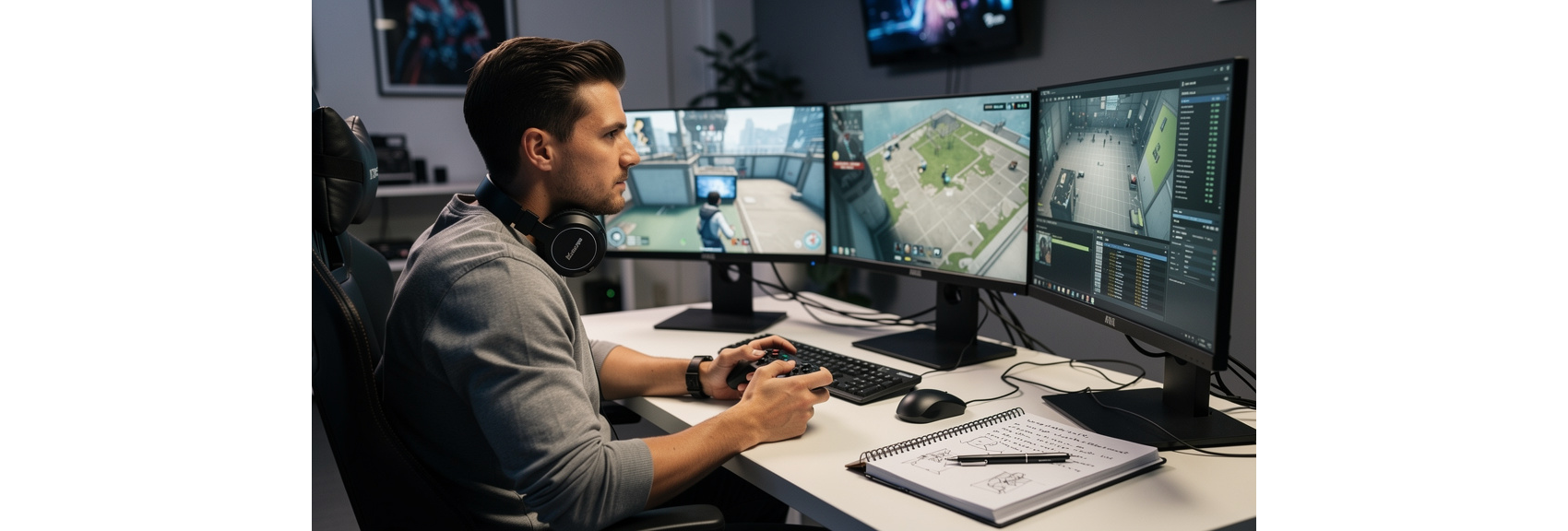
QA Game Testers are often the first people outside the core team to touch a playable build, and they play a far more technical role than many people realize. Their job is to find, describe, and track bugs and design issues so the game can ship in a stable, polished state. That means following test plans, creating their own test cases, and logging detailed reports rather than just playing for fun.
Working in QA gives you a deep look at how systems, levels, code, and art come together. Testers learn how to break games in smart ways, explore edge cases, and notice patterns in crashes or glitches. They also pick up valuable communication skills by writing clear bug reports and talking daily with programmers and designers about what they see.
This role makes a strong entry point because it usually asks more for passion, care, and discipline than for advanced degrees. Many designers, producers, and even engineers started in QA, built a reputation, and then shifted into other game design career opportunities once they understood studio workflows. Pay often begins around thirty five to forty five thousand dollars for entry roles, with leads and specialists earning more. At Video Game Jobs, we treat QA listings as serious professional roles and as launch pads for people who want to grow inside the industry.
“Great QA doesn’t just find bugs; it protects the player’s trust.” – Longtime QA lead at a global publisher
8. Game Design Leadership: Producer And Project Management Paths
Some people discover that they love organizing projects as much as they love making content. For them, production and project management paths can be very rewarding game design career opportunities. Producers and Technical Project Managers watch schedules, budgets, and communication lines so that teams can focus on the work itself.
On any given day, a Producer might run stand-up meetings, track tasks in project management tools, talk with stakeholders about scope, and help resolve conflicts between departments, while understanding the impact of work environment and team dynamics on project success. They often act as translators between business leaders and creative staff, making sure each side understands limits and goals. Technical Project Managers bring in more engineering knowledge and focus on how tools, builds, and pipelines support the rest of the team.
These roles usually require strong skills in Agile or Scrum methods, clear communication, and the ability to keep a cool head when plans change. Many Producers start as designers, engineers, or QA staff, then shift into coordination once they realize they enjoy planning and problem solving at a high level. Pay tends to rise with responsibility. Experienced producers can earn eighty thousand to one hundred fifty thousand dollars or more, especially at larger studios. On Video Game Jobs, you will find production roles from Associate Producer all the way up to Studio Head, often with clear paths for growth.
Conclusion
When I step back and look at the field, I see a rich set of game design career opportunities that match very different kinds of minds. Some paths lean hard into systems and numbers, such as Systems Designer or Gameplay Engineer. Others center on story, art, or player support, such as Narrative Designer, Game Artist, and QA Tester. Leadership roles like Producer or Project Manager sit on top of those paths and keep projects moving.
No matter which direction interests you, the same core habits tend to matter. You need some mix of technical skill and soft skill, the ability to work well on a team, and a strong portfolio or body of proof. Personal projects, game jams, mods, and detailed case studies usually count far more than a line on a resume. The steady rise of the game market toward an expected 583.69 billion dollars by 2030 suggests that demand for these skills will stay strong.
Entry level roles such as QA give you a real foothold inside studios and expose you to many other jobs from the inside. From there, steady learning and networking through groups such as IGDA help you keep climbing. At Video Game Jobs, our role is to connect you with openings across all eight of these paths and to give you clear, honest guidance as you move forward. Explore our curated listings and resources, match them to the path that fits you, and take the next concrete step toward a long term career in game design.
FAQs
What Qualifications Do I Need To Become A Game Designer?
Many game designers hold bachelor’s degrees in fields such as computer science, game design, animation, or interactive media, but a degree is not the only path. Studios care most about a strong portfolio that proves you can create fun, clear player experiences. Skills in programming with C++ or C#, comfort with engines such as Unity or Unreal Engine, and basic UX or UI understanding help a lot. Soft skills such as creativity, teamwork, and problem solving matter just as much as technical skill. Bootcamps, online courses, and self directed study mixed with finished projects are all valid ways in. Through Video Game Jobs, we feature game design career opportunities for people from many educational backgrounds as long as they can show good work and real passion.
How Much Do Game Designers Make In The US?
Current data suggests that game designers in the United States earn a median salary of about 67 thousand dollars each year. At the low end, around the tenth percentile, pay starts near 42 thousand dollars for entry level staff. At the high end, near the ninetieth percentile, experienced designers can bring in 105 thousand dollars or more. Pay shifts based on specialization, city, and studio size, with programming heavy and leadership roles often landing higher than pure design. Skills in fast growing areas such as virtual reality, mobile titles, or large scale multiplayer can also raise pay. On Video Game Jobs, we share salary ranges alongside many listings so you can judge whether a role matches your needs.
What Is The Best Way To Break Into The Game Design Industry?
The best starting move for most people is to build a small but strong portfolio. Create tiny games or prototypes that show specific skills, such as a tight platforming level, a short narrative branch, or a clear combat loop. Game jams help a lot because they force you to finish something, work with a team, and make smart cuts under deadlines. Entry level QA roles are another reliable path into game design career opportunities, since they teach you how studios work from the inside. Mods and open source contributions can also prove your skill with existing engines and workflows. Networking through groups such as IGDA and going to local or online events helps you meet people who might later review your work. When you are ready to apply, platforms like Video Game Jobs make it easier to target studios that focus on games instead of sending your resume into broad job sites.
Do I Need To Know How To Code To Be A Game Designer?
Not every game design role demands deep coding skill, yet some level of technical literacy helps nearly everyone. Basic programming knowledge lets you prototype ideas, speak clearly with engineers, and understand why certain features are hard or easy. Visual scripting systems such as Blueprint in Unreal Engine allow designers to set up gameplay logic without writing lines of text based code. Systems Designers and Level Designers gain a lot from simple scripting ability because it lets them test ideas quickly. Purely creative paths such as Narrative Designer lean more on writing and story craft than on code, though even there some tool fluency is helpful. Learning a bit of C# or Python gives you an edge across many game design career opportunities, because it shows that you can cross the line between ideas and implementation.
How Long Does It Take To Become A Professional Game Designer?
The timeline varies from person to person, but there are some common patterns. A four year bachelor’s program in game design or computer science is one clear route, while short bootcamps can prepare focused students in three to six months. Self taught designers often spend one to three years building skills, finishing small projects, and putting together a solid portfolio before landing that first role. Many people start out in QA or junior design jobs and then need another two to three years to move into mid level positions. Senior or lead roles often require five to ten years of steady experience and growth. Throughout that time, ongoing study and portfolio updates remain important, since tools and player tastes change fast. At Video Game Jobs, we support you at every stage with game design career opportunities that match where you are right now and where you hope to go next.