
Introduction
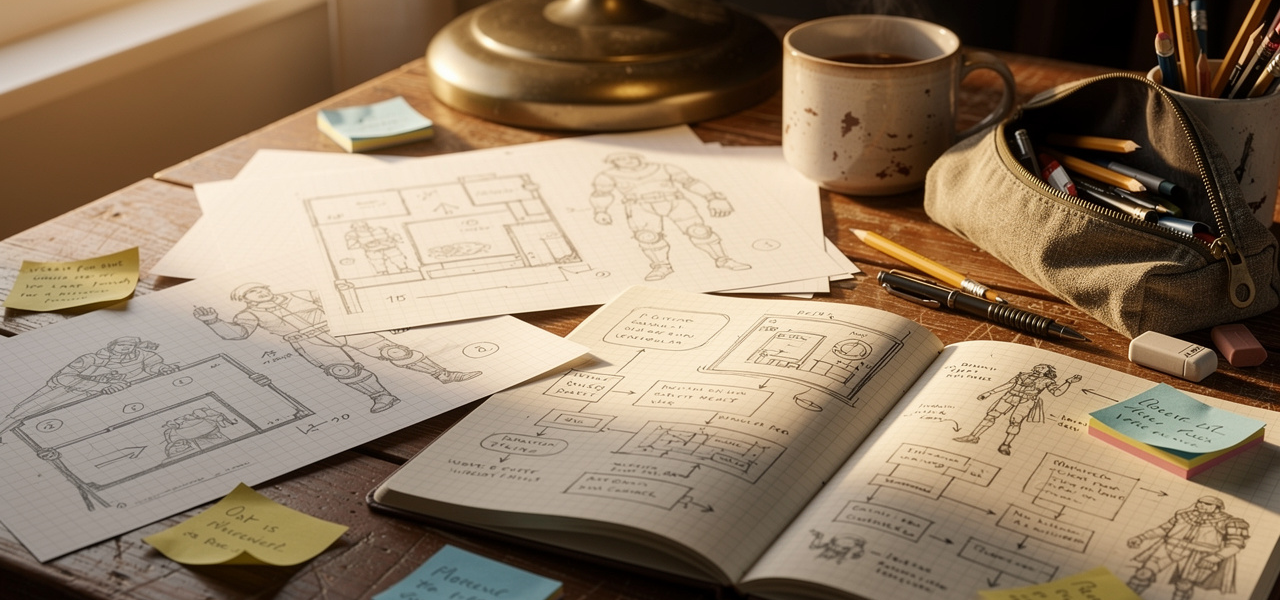
Most legendary games start as messy docs, sketches, and scribbles long before anyone opens an engine. The code brings the idea to life, but the plan on paper shows the team what they are building together. That plan lives inside the game design document, and the best game design document examples are packed with lessons for anyone who wants to work in games.
A Game Design Document (GDD) is the shared blueprint for a project. It lays out what the game is, how it plays, how it looks and sounds, and which systems connect under the hood. In professional studios, a strong GDD keeps designers, programmers, artists, audio teams, and producers aligned on the same vision and priorities.
The hard part is that most game design document examples never leave studio walls. They stay private on internal servers and wikis. That makes the rare public examples from games like Doom, Diablo, and Monaco very useful for learning, both as a designer and as a job seeker. Reading them is a bit like reading someone else’s source code: you see how their thinking is structured, not just what shipped on screen.
“A game is a series of interesting choices.” — Sid Meier
Good GDDs show how those choices are planned, tested, and shared with the whole team.
In this article, we walk through ten standout game design document examples, from giant AAA projects to small indie experiments and modern “living document” styles. By the end, you will have clear ideas of what a good GDD looks like, how it fits into studio workflows, and why hiring managers care about this skill. From there, we shift into modern formats and how to apply these ideas across a career.
Key Takeaways
Studying real game design document examples saves time and pain by showing what works in practice. It also helps match personal habits with what studios expect from professional design documentation. Keeping a few key ideas in mind makes every new GDD stronger.
- GDDs work best as living files that change as the game grows. Teams keep them updated during prototyping and playtests instead of treating them as fixed books. Static docs fall out of date fast and stop guiding the work.
- Different docs serve different goals even when they describe the same game. Pitch decks sell a vision, concept docs capture rough ideas, and GDDs guide the actual build. Mixing those roles leads to confusion inside the team and with partners.
- Real game design document examples and modern one-page or wiki styles all help career growth. They show how to think clearly about systems and communicate with a full team. Studios see strong GDD skills as a real advantage when they review candidates.
What Is a Game Design Document (And Why Does It Matter for Your Career)?
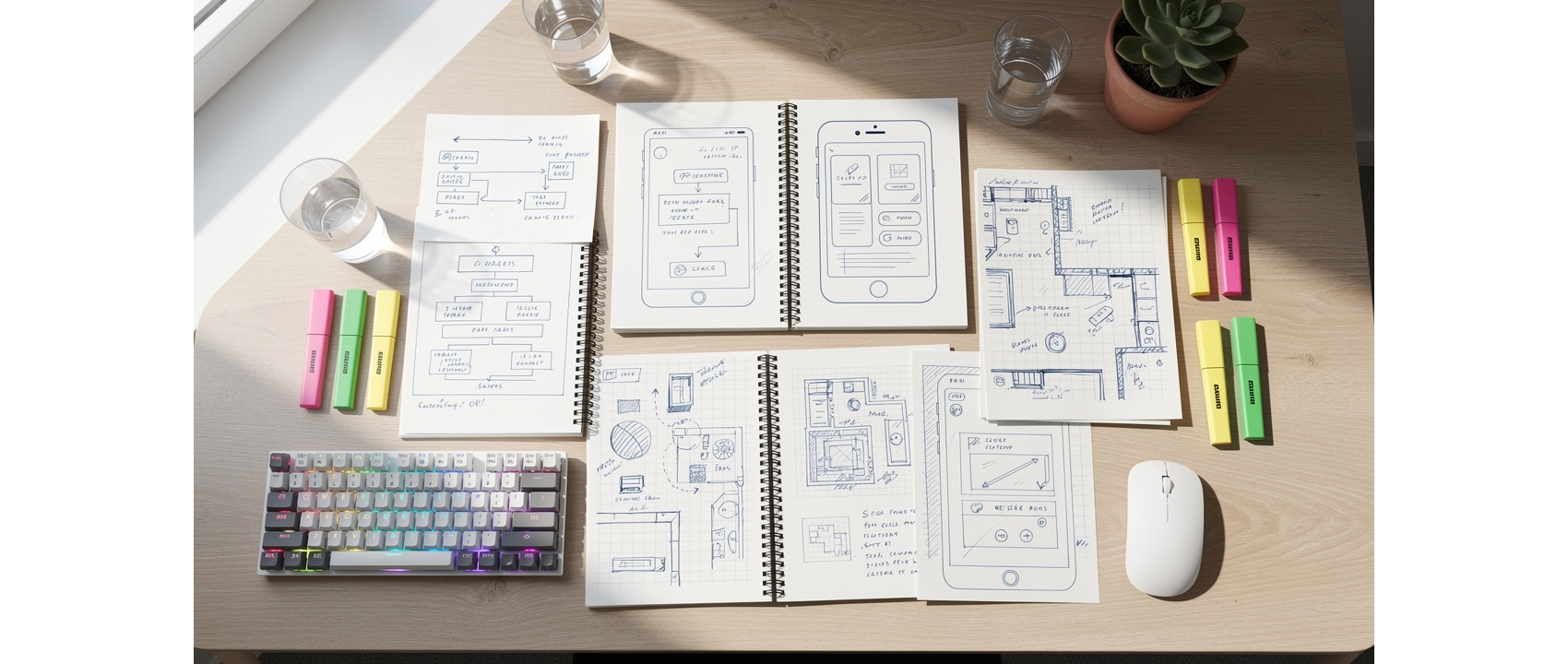
When we talk about a Game Design Document, we mean an internal blueprint that covers the whole game. A solid GDD explains the core loop, mechanics, story, world, characters, art direction, audio style, user interface, and technical limits. Anyone on the team should be able to open it and understand what they are building and why key choices were made.
It helps to separate a GDD from two other common document types:
- A pitch document is outward facing and aimed at publishers or investors. It focuses on market fit, high-level hooks, and visuals that make the game easy to imagine.
- A concept document is more like a one- or two-page sketch for internal use, often written before a prototype even exists.
A full GDD is different because it dives into the details that the team needs in order to ship the game.
Older projects often treated the GDD as a giant book written once at the start. Modern teams usually keep the GDD as a living wiki on tools like Notion or Confluence. Designers change mechanics, producers add notes, and programmers add links to technical references. That habit keeps the document in step with the real state of the game and helps new team members ramp up quickly.
For a career in design or development, skill with GDDs is more than a nice bonus. Many job posts on Video Game Jobs and across the industry now list design documentation as a core requirement. Strong candidates do not just have ideas; they show that they can explain those ideas clearly so a whole team can act on them.
Some core areas appear again and again in strong game design document examples:
- One part describes the high concept and target player in simple terms. It explains what the player does most of the time and what makes this game stand out. It often includes genre, platforms, and a short pitch line.
- Another part breaks down gameplay and the world. It covers the core loop, major systems, level or mission structure, story beats, character roles, art style, audio mood, and main interface screens.
- A final part covers project and business details. It lists target hardware, engine choice, key technical risks, and any online needs. For mobile or free-to-play projects, it also covers how the game will earn money.
10 Game Design Document Examples Every Developer Should Study

The best way to understand GDDs is to see how real teams handle them. The following ten game design document examples act as a study guide, not just a list. Each one highlights a different style, from huge pre-production bibles to short pitch decks and loose email chains.
1. Video Game Jobs Career Resource Hub
We start with our own house. At Video Game Jobs, we run a focused hub for game industry careers, and GDD skill appears across many of the roles we see every day. Our Game Design and Development Techniques content highlights patterns pulled from real studios, including how teams write and use GDDs. When someone studies game design document examples and then looks for a new role, we help connect that skill with openings that call for strong documentation habits. Because we work only with game teams, we see first-hand how much good writing and clear specs matter inside a studio.
2. The Doom Bible by Tom Hall
The Doom Bible is one of the most famous game design document examples in history. It is huge, dense, and full of details on story, levels, weapons, and enemies that never shipped. Reading it shows how far a designer can push early planning and world building. It also shows the risk of locking in too much too soon, since the final Doom is tighter and more action focused than this early script.
3. The Diablo Pitch Document by David Brevik
The Diablo pitch is short, sharp, and direct. In only a few pages, it sets up a dark action role-playing game with simple controls, endless loot, and high replay value. It leaves out deep technical detail and instead leans on clear pillars and strong mood. As a study case, this pitch document helps designers learn how to sell a fantasy without drowning readers in systems, and how a pitch differs from a full GDD.
4. The Grand Theft Auto Design Document for Race n Chase
Before Grand Theft Auto was a hit series, it was a project code named Race n Chase. The original design doc explains a free-roaming city where the player steals cars, takes missions, and reacts to police. It breaks a complex open world into clear systems, from driving to wanted levels. This GDD is a great example of how to describe a wide, messy game in a way that still feels clear to programmers, artists, and mission designers.
5. The Deus Ex Design Document by Harvey Smith
The Deus Ex GDD digs deep into player choice. Almost every system connects back to ideas about agency, multiple paths, and meaningful trade-offs. The document talks about goals such as avoiding pure binary good or bad choices and building levels that support several play styles. Reading it trains the habit of tying every feature back to a firm design belief instead of treating mechanics as random add-ons.
“A game is a series of interesting choices.” — Sid Meier
The Deus Ex document shows how to plan and support those choices across levels and systems.
6. The BioShock Pitch Document
The BioShock pitch leans more on mood and theme than pure mechanics. It describes the underwater city of Rapture, the clash of ideals that shaped it, and the uneasy mix of power and horror in its world. Systems are there, but they stay in service of the story and atmosphere. As a game design document example, this one shows how to build support for a project by selling a place and feeling that players will remember.
7. The Silent Hill 2 Game Design Document
The Silent Hill 2 GDD focuses less on combat stats and more on emotion. It talks about fog, framing, sound, and monster shapes as tools for guilt and dread. Enemy designs connect to the main character’s inner life, not just combat needs. This document is a key lesson for horror and narrative designers who need to express tone, pacing, and symbolism in clear terms for the rest of the team.
8. The Planescape Torment Game Design Document
Planescape: Torment is known for dense text and strange ideas, and its GDD reflects that. The document spends huge space on dialogue trees, character arcs, and branching story paths. Combat exists, but the writing feels like the main mechanic. Studying this GDD helps writers and narrative designers see how to treat text, choices, and party members as full systems, with the same care other games give to physics or combat.
9. The Monaco Design Document
Monaco is a small indie heist game, yet its design doc feels very clear and steady. It explains the top-down stealth view, the class system, and how chaos often erupts during a run. The document stays sharp and focused instead of bloated. This makes it one of the best game design document examples for solo or small-team developers who need structure without heavy overhead.
“Perfection is achieved, not when there is nothing more to add, but when there is nothing left to take away.” — Antoine de Saint-Exupéry
The Monaco document shows how that idea applies directly to game design writing.
10. The Threes Email Chain or Threemails
Threes did not grow from a formal GDD. Instead, the creators kept a long thread of emails as they tested rules, tweaked numbers, and argued about feel. That chain now reads like an informal design document, often called the Threemails. It proves that the format matters less than the habit of capturing decisions and reasons. For some teams, especially tiny indie pairs, this flexible style can support fast change while still leaving a trail others can follow.
Modern GDD Formats: Living Documents and One-Page Designs

Most studios now treat the GDD as something that grows alongside the game instead of a finished package at the start. Wiki tools such as Notion, Confluence, or custom internal sites host these living documents. New sections appear as systems form, and old sections change when tests show that an idea does not work as planned.
Living documents bring several clear perks to a development team:
- They stay easy to reach for everyone in the studio. New hires, remote workers, and partners can all pull the same source without hunting through old folders. That makes handoffs between roles much smoother.
- They change as the game changes during tests and milestones. Designers can refine rules, programmers can flag risks, and producers can track open questions. This habit keeps the plan close to the shipped game rather than an early dream.
- They help teams jump between systems through links and tags. A combat page can point straight to enemy stats, animation plans, and sound notes. That web of links saves time and reduces mixed messages.
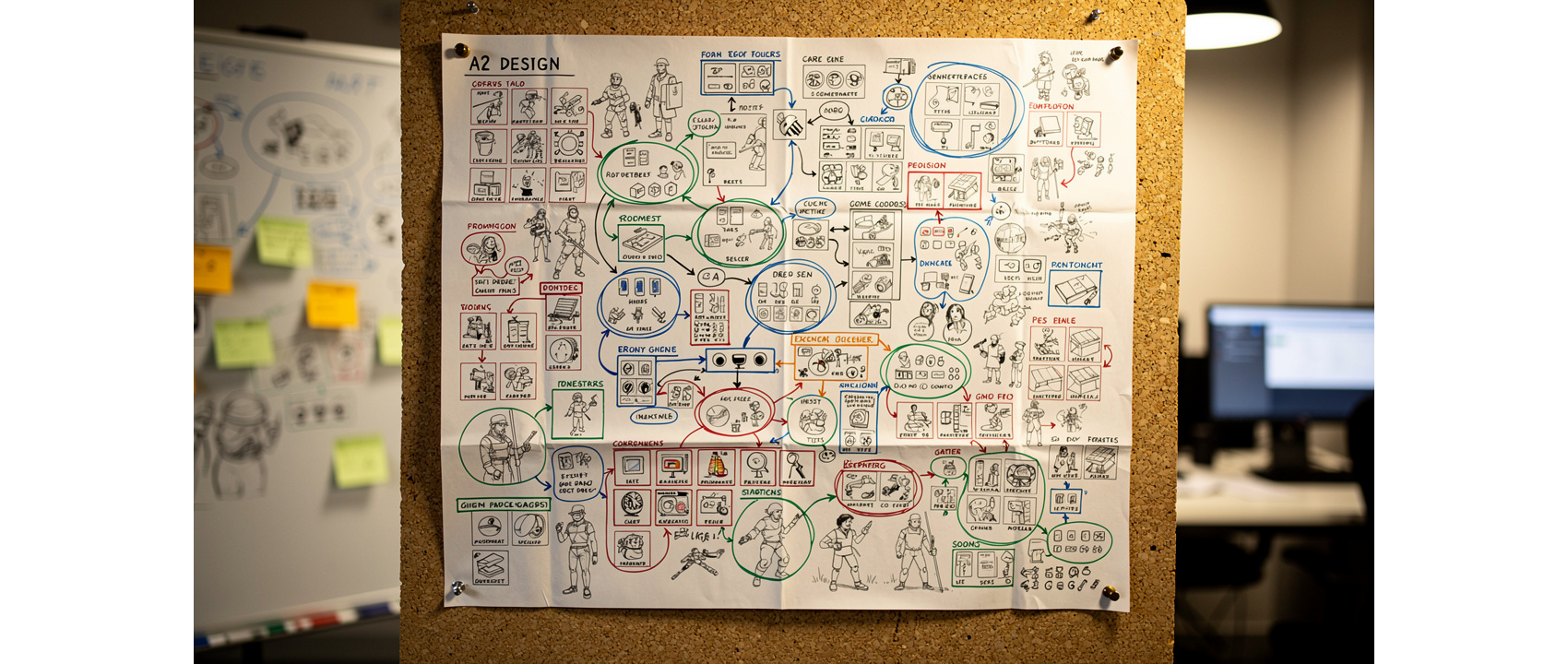
Alongside big wikis, many teams use compact one-page designs at the start of a project. Popularized by Stone Librande, this method squeezes the entire game idea onto a single sheet that mixes diagrams, small text blocks, and simple icons. One-page designs help teams agree on the core loop, goals, and pillars before anyone spends serious time on deep docs.
For writers who want more structure, there are well-known templates based on shipped games and classes. Chris Taylor’s GDD template, Michael Sellers’ concept and long-form docs, Unity’s Zombie Toys sample GDD, and various Notion or Confluence starter kits all give a starting frame. We often see these mentioned in portfolios on Video Game Jobs, and they help candidates show that they follow patterns hiring managers recognize when they review applications.
Conclusion

Studying real game design document examples is one of the fastest ways to grow as a designer or developer. Each document on this list shows how experienced teams think about systems, story, mood, and scope long before launch day. Reading them in order highlights how formats shift from heavy books to slim pitches and finally to flexible wikis.
For career growth, GDD skill is not just about neat documents. It shows that someone can express ideas clearly, support a team, and keep a project on track. Studios look for that when they hire for design, programming, production, and leadership.
If the next step is to put these lessons into practice on a real project, we built Video Game Jobs to help with that. Our platform focuses only on gaming roles and highlights openings where strong design documentation is a real strength. We invite every reader to study these examples, polish their own GDD habits, and then explore the roles and resources waiting on our site.
FAQs
What Should A Game Design Document Include?
A game design document should start with a clear high concept that explains what the game is and who it serves. From there, strong GDDs usually cover:
- Core gameplay, the main loop, and key systems such as combat, progression, or puzzles
- Story, setting, and characters
- Art and audio direction that describe style and mood
- Level or world structure and user interface flow
- Target platforms and any plan for earning money
Together, these parts give every team member a shared picture of what they are building.
Are Game Design Document Examples Available For Free?
Yes, quite a few classic game design document examples are free to read. Sites such as gamedocs dot org and Pixel Prospector collect links to old GDDs, pitch decks, and talks. Fans and former team members sometimes share design docs for games like Doom, Grand Theft Auto, and Planescape: Torment. Most current studio GDDs stay private, but the older ones still offer strong lessons.
What Is The Difference Between A GDD And A Pitch Document?
A pitch document tries to win support from people outside the team, such as publishers or investors. It focuses on the hook, target market, rough budget, and why the game should exist at all. A GDD speaks mainly to the internal team and explains how the game will actually work. Famous documents from Diablo and BioShock are pitch style, not full GDDs, even though many people refer to them as design docs.
How Long Should A Game Design Document Be?
There is no single right length for a GDD. Some small projects work well with a one-page overview plus a few deeper system notes. Large role-playing games and live service titles might need hundreds of pages across a wiki. The best rule is to write only as much as the team needs in order to build the game with confidence and avoid confusion. Clarity matters far more than page count.