
Introduction
For a lot of people, the first time this dream appears is while staring at a loading screen and thinking about how they would change the level, story, or mechanics. The idea of turning that curiosity into a real job and learning how to become a game designer can feel both exciting and a little distant. It is one thing to have ideas for games, and another to guide a team that actually ships them.
We see this every day at Video Game Jobs. Plenty of talented players and developers want to cross the line from “I love games” to “I help make games,” but they are not always sure where to start. The path is rarely straight. Some designers come from computer science, some from art or writing, and others from QA or community roles. There is no single correct checklist for how to become a game designer, but there are patterns that work again and again.
In this guide, we walk through those patterns in clear steps. We go through education options, the skills that matter, how to build a portfolio, and how to move from first job to long‑term career. We also talk honestly about the hard parts of the field, from competition to crunch. Along the way, we show how Video Game Jobs fits in as a focused partner that understands game studios better than general job boards.
By the time someone finishes this guide, they should understand how to become a game designer in a practical, grounded way. They will know which learning path might fit them, what employers really look for, and what actions they can take this week to move closer to a design role.
“A game is a series of interesting choices.”
— Sid Meier
Key Takeaways
It helps to have a quick snapshot before diving deep, so we like to lay out the most important points up front. These highlights give a fast overview of how to become a game designer and what really moves the needle. They also show where Video Game Jobs can support every step.
- There is more than one path into game design, and that is a real advantage. People reach design roles through degrees, short programs, and self‑guided study, so someone can choose the mix that fits their time, budget, and style. What matters is steady progress, not matching one exact recipe.
- A strong portfolio has more weight than a fancy résumé line. Studios want proof that a person can define mechanics, build levels, and explain decisions in a clear way. Three small but polished projects that feel thoughtful will often beat a long list of half‑finished ideas.
- Most game designers do not start with “Game Designer” printed on their first badge. They often begin in QA, programming, art, or production, learn the pipeline from inside, and then shift roles. Treating those early jobs as stepping stones rather than dead ends makes a huge difference.
- Connections matter as much as code and concepts. Talking with other developers, showing work at events, and staying active in online communities often leads to chances that never appear on public listings. Good networking is not about loud self‑promotion; it is about steady, honest contact.
- Progress in this field takes time, and that is normal rather than a sign of failure. For many people, it takes five to ten years to go from beginner to trusted designer with real say over projects. Patience combined with regular practice usually beats pure raw talent.
- The learning never really stops for a serious game designer. New tools, platforms, and player habits appear all the time, so the people who keep reading, testing, and shipping small ideas are the ones who stay in demand. Stagnation is far riskier than starting as a beginner again and again.
- Video Game Jobs exists to make this path less confusing. Our platform is built only for gaming roles, so every listing and career resource lines up with the real needs of game studios, rather than getting lost among unrelated jobs.
What Does A Video Game Designer Actually Do?

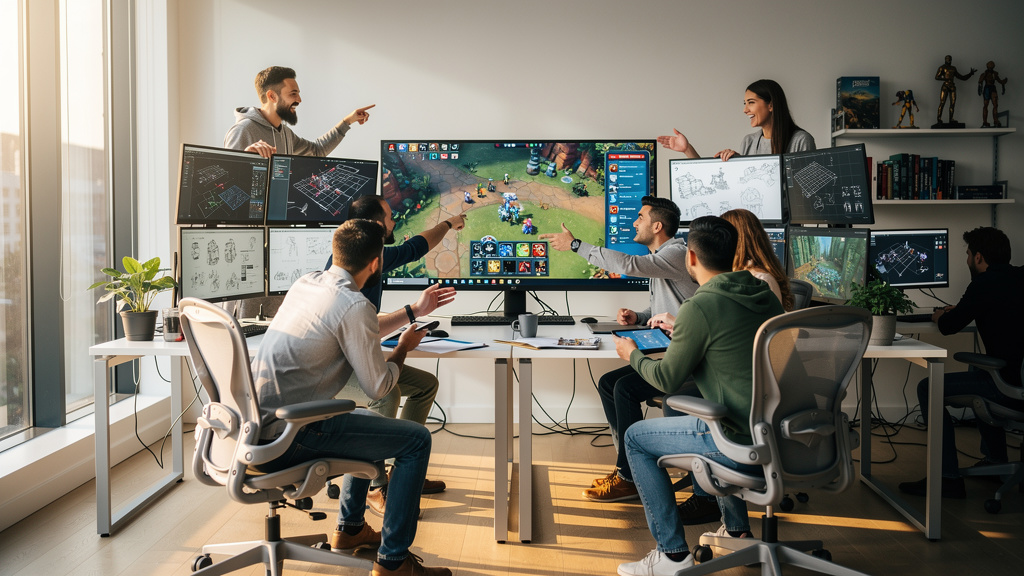
When we talk about how to become a game designer, we first need to clear up what that job really is. A video game designer is the creative architect of the player experience. Designers define the rules, moment‑to‑moment actions, story beats, and systems that turn art and code into something a person actually wants to play.
On a typical day, a designer might:
- Write or update game design documents that explain how features should work.
- Join stand‑up meetings with programmers, artists, and producers to align on priorities.
- Review playtest feedback and adjust numbers or level layouts.
- Prototype new mechanics and tune them based on how they feel.
- Argue gently but firmly for changes that improve the overall player experience.
Design is rarely about tossing out ideas and walking away; it is about living with those ideas and refining them again and again, following a pedagogical approach for systematic iteration and improvement.
It is also very different from other roles in a studio. Programmers focus on the code that makes the game run. Artists handle characters, environments, animation, and UI. Sound designers shape audio and music. The designer sits in the middle and answers “What should the player do, why does that feel fun, and how do all these parts work together without breaking?”
Because of that, designers need strong communication and collaboration skills. They must explain intent clearly to many kinds of teammates and stay open to pushback. Within design itself, people often specialize as level designers, systems designers, narrative designers, or economy designers, but all of them share the same core task: build engaging experiences for players, then improve them through testing and feedback.
Is Game Design The Right Career Path For You?

Before someone invests years into learning how to become a game designer, it helps to ask whether this path actually fits them. The upside is very real. When a feature that started as a sketch on a whiteboard makes its way into a live game, the feeling can be hard to match. Designers help shape experiences that millions of people remember, discuss, and share with friends.
There are trade‑offs as well:
- The field draws huge interest, which means competition for every role.
- Entry‑level pay, especially in QA or support roles, can feel modest compared to other tech jobs.
- During late production phases, long hours can appear.
- Studio closures or cancellations happen more often than anyone likes to admit.
Career progress also takes time. Most people do not jump straight into a full designer title. They gather experience from QA, junior programming, art, or production jobs, build a portfolio on the side, and move into design when a manager sees both skill and persistence. Reaching a point where a person leads features or whole projects often takes five to ten years.
For those reasons, game design tends to reward people who love both games and problem solving at a deep level. It asks for resilience, steady learning, and a thick skin for feedback. If someone reads about the hard parts and still feels pulled toward the work, they are already closer to the right path.
“Fun is just another word for learning.”
— Raph Koster, A Theory of Fun for Game Design
Educational Pathways And How To Choose The Right Route
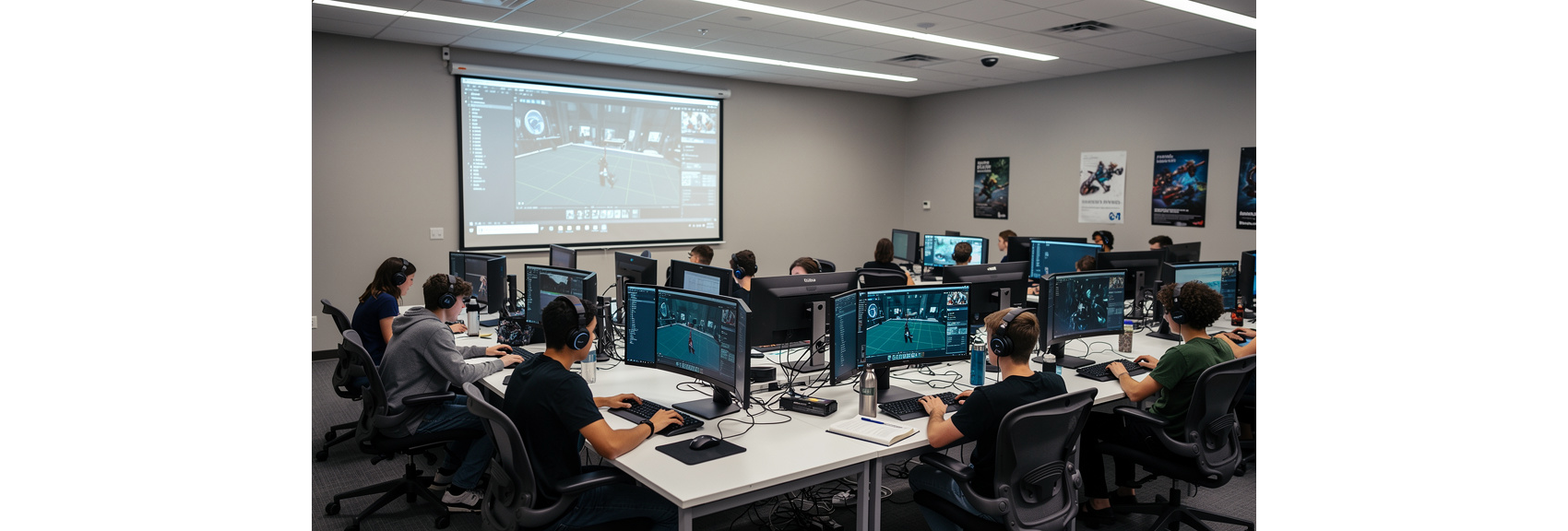
There is no single academic gatekeeper for game design, and that can be a real strength. Studios care most about what a person can show through their work. At the same time, different education paths give structure, contacts, and safety nets in different ways.
When we talk with designers, we usually see three patterns:
- Four‑year bachelor’s degrees
- Shorter bootcamps or intensive programs
- Fully self‑directed learning
Each route can lead to the same job titles, so the smart move is to pick the one that fits time, money, and long‑term goals.
Bachelor's Degree Programs
Many studios still like to see a bachelor’s degree, which usually means four years of focused study. The most obvious option is a Game Design or Game Development program, where classes cover level design, game history, engines, and group projects. These programs can put someone in a room with other future developers and often include capstone games or internships with local studios.
There is an important catch, though. A résumé that only lists “Game Design” as a degree can raise questions outside the industry. Hiring managers in other fields might not understand the skills behind the title, which makes a later career shift harder. That is why many senior designers recommend broader degrees and learning design on the side.
Computer Science is the most flexible and sought‑after option. It builds strong programming and problem‑solving habits that are valuable in almost any software job, including games. Plenty of designers also come from English, Industrial Design, Psychology, Architecture, or similar fields. Those degrees support storytelling, user experience, and spatial thinking, all of which matter in game design. In any of these programs:
- Internships
- Game clubs
- Team projects
often matter as much as grades, because they create both portfolio pieces and early industry contacts.
Bootcamps And Intensive Programs
Bootcamps sit between full degrees and pure self‑study. These courses often last from three to six months and focus tightly on job skills like engine use, scripting, and basic design patterns. The schedule tends to be intense, with many hours per week spent on hands‑on work rather than broad theory.
Bootcamps tend to fit people who already hold a degree in something else or who are shifting from a nearby field like web development or film. They can shorten the timeline to a first industry role and may cost far less than another four‑year program. The trade‑off is that the network from a bootcamp is usually smaller than a university network, so a person must balance the course with active portfolio building and online community work.
Self Taught Path
Some designers skip formal programs entirely and learn on their own. This path is more open than ever, thanks to free engines like Unity, Godot, and Unreal Engine, along with endless tutorials, talks, and written guides. A self‑taught path can fit people who need to learn around work or family, or who simply prefer to move at their own pace.
The price for this freedom is discipline. A self‑taught designer needs a clear plan, since it is easy to bounce between videos without finishing projects. Many successful self‑taught designers set small milestones, like “ship a simple platformer this month,” and treat them as non‑negotiable. Because there is no degree on the résumé, the portfolio has to do almost all the talking, which means finished, playable work with clear explanations becomes even more important.
Essential Skills Every Game Designer Needs
Regardless of education path, every designer develops a mix of technical, creative, and interpersonal skills. Some people begin stronger in one area, but the job tends to pull from all three. The good news is that these skills grow with practice; very few designers start out as experts.
We usually group them into two big buckets: technical skills tied to tools and systems, and creative or soft skills tied to ideas and teamwork. Both sets matter if someone wants to move from asking how to become a game designer to actually working as one.
Technical Skills
A modern game designer needs comfort with at least one major game engine such as Unity, Unreal Engine, or Godot. This does not always mean deep engine mastery, but it does mean the person can build and tweak prototypes, test mechanics, and set up levels without constant help from programmers.
Helpful technical skills include:
- Basic programming knowledge in C#, C++, or a scripting language.
- Familiarity with level editors, tilemap tools, and visual scripting systems.
- Clear documentation habits for specs and design documents.
- Understanding of systems design, balance, and player psychology.
- Basic source control via tools like Git.
- Awareness of how art, animation, and audio flow through the production pipeline.
Clear documentation is another core skill. A good game design document shows mechanics, controls, win conditions, and edge cases in language that other disciplines can follow. Even if someone never creates 3D assets, knowing how art and animation move through the pipeline makes collaboration smoother.
Creative And Soft Skills
On the creative side, designers constantly generate and refine ideas. They look for fresh twists on known mechanics, or clever ways to combine systems so that simple rules create rich play. This does not mean chasing shock value. It means staying curious, playing widely, and asking why certain games feel so satisfying.
Strong systems thinking sits right beside that creativity. Designers need to see how weapons, enemies, maps, and player goals interact as a whole, rather than treating each piece as separate. Storytelling skills also matter, even in games that are not plot heavy. A sense of character, tone, and pacing can turn basic mechanics into something memorable.
Soft skills often decide who moves ahead:
- Communicating ideas clearly to teammates from many disciplines
- Listening to feedback without getting defensive
- Analyzing other games with a critical but fair eye
- Staying calm when project goals or constraints shift
- Managing time across documentation, meetings, and playtests
Time management rounds out the picture, since design roles often involve juggling documentation, meetings, playtests, and last‑minute fixes at the same time.
Building A Portfolio That Gets You Hired

When studios hire for design roles, the portfolio often makes or breaks the decision. Degrees, certifications, and past titles all matter, but nothing replaces a clear set of projects that show how someone thinks about player experience. If a person is serious about how to become a game designer, they should treat their portfolio as the main product they are shipping.
A good portfolio does not need dozens of giant games. In fact, three to five focused, polished pieces usually tell a stronger story. What matters most is that each project makes its core idea obvious, feels complete for its scope, and includes a short breakdown of what the designer actually did.
What To Include In Your Portfolio
Playable projects sit at the center of any strong portfolio. These might be:
- Small games that highlight a single mechanic
- Short levels that show smart pacing
- Prototypes that explore a system like stealth or puzzles
The point is to give hiring managers something they can click and feel, rather than just read about.
Design documents add depth behind those projects. Including a few sample docs that cover goals, rules, controls, and edge cases shows that a designer can think in a structured way. Level maps, flow charts, and diagrams help people see how the designer plans difficulty and player movement.
Analysis pieces can round out the picture, drawing from game design research papers that demonstrate critical thinking and industry knowledge. Short write‑ups that pull apart a boss fight, an economy, or a famous level show that the designer can study existing work with care, not just play it. For team projects, it helps to state personal contributions clearly, such as “owned combat design and wrote all enemy behavior specs.” Screenshots, short videos with voice commentary, and links that load fast all make it easier for busy hiring managers to understand the value on display.
How To Create Portfolio Projects
To build those projects, we suggest starting with accessible tools. Unity, Godot, and Unreal Engine all offer free versions and huge libraries of tutorials, sample projects, and docs. Visual scripting options such as Blueprints in Unreal or visual scripting in Unity let designers build working interactions without writing long blocks of code.
Scope control may be the most important habit. It is better to finish a tiny, polished game that teaches one mechanic well than to chase a massive RPG that never moves past gray boxes. Game jams can help with this, since their tight time limits force teams to pick an idea, cut extra features, and actually reach a playable build.
Collaboration also speeds learning. Many designers find partners through Discord servers, Reddit communities, or sites like GameDev.net. Modding popular games that offer tools, such as Skyrim or Minecraft, can be another path to hands‑on experience. Whatever the method, designers should document what they tried, what failed, and what they changed, following established frameworks such as (PDF) How to create a structured approach to game development and iteration. That process, shared on a portfolio site, often impresses studios as much as the final playable file.
Gaining Real Studio Experience
Books, videos, and courses help, but they are only part of how to become a game designer. Real growth often comes from shipping work with other people, on real deadlines, even when the role is not called “designer” yet. Early industry experience adds context, contacts, and a closer view of how studios really operate.
We usually see two main ways to gather that experience before or alongside a first design title. One is through internships and junior roles inside studios. The other is through active involvement in industry communities, both online and offline.
Internships And Entry-Level Positions
Internships can be the first real bridge into professional development. Many degree programs require them, but even without a formal program, people can seek them out through studio sites, social channels, or platforms such as Video Game Jobs. Internships give a chance to sit in real meetings, touch real builds, and learn how teams solve problems when money and schedules matter.
A first paid role often arrives under a different title than “designer.” QA testers spend their days hunting bugs and edge cases, which gives them a deep feel for how systems behave across hundreds of playthroughs. Junior programmers and artists work directly on content, learn toolchains, and pick up technical limits that designs must respect. Associate producers or coordinators see how features move along timelines and how teams communicate across departments.
The key is to treat each of these roles as a learning lab rather than just a paycheck. People who observe designers closely, volunteer for design‑adjacent tasks, and keep building small design projects on the side often move across into design faster. Using Video Game Jobs to filter for internships and junior roles inside game studios also helps, because our listings focus only on employers who work with games.
Networking And Industry Involvement

Hands‑on experience is not just about job titles. It is also about who someone knows, who knows their work, and how often their name comes up when a new role opens. Industry events offer powerful chances here. Conferences like the Game Developers Conference, PAX Dev, or local IGDA chapter meetups allow designers to meet peers, hear war stories, and sometimes talk directly with hiring managers.
Online spaces play a big role as well. Active participation in game dev Discord servers, Twitter or X threads, and forums can help someone build a visible track record of thoughtful comments and shared work. Staying in touch with professors, mentors, or managers from past internships can lead to referrals later, and IGDA membership often opens more doors through talks and job boards.
“This industry is smaller than it looks; your reputation travels faster than your résumé.”
— Common advice from senior game developers
Video Game Jobs adds another layer to this network. Because we focus only on the gaming industry, both studios and candidates come to the platform with the same context and language. That shared focus makes introductions smoother and raises the odds that a conversation turns into a serious opportunity.
Professional Certifications That Boost Your Credentials
Professional certifications are not mandatory for how to become a game designer, but they can add weight to a résumé. Certificates from well‑known engine providers show that a person has passed a specific skills test rather than just watched a few tutorials. They can be especially helpful for people who come from outside tech or who learned without a formal degree.
We see certifications as a supporting piece. They sit next to education and portfolio work, not above them. A hiring manager may notice a familiar badge and feel more confident about someone’s technical floor, then turn to that person’s projects to understand their taste and creativity.
Unity Certifications
Unity offers several Associate‑level certifications that matter in many hiring processes:
- Unity Certified Associate Game Developer focuses on broad engine use. It tests knowledge of animation, audio setup, C# scripting basics, scene management, and integration of art inside Unity. For a designer who already works with the engine a bit, this can confirm that their basics are sound.
- Unity Certified Associate Artist aims at people who care about how scenes look and feel. It checks understanding of asset import, lighting, cameras, materials, particle effects, and scene composition. Designers who lean toward visual polish or work closely with artists often find that this matches their daily tasks.
- Unity Certified Associate Programmer centers more directly on code. It covers asset management, debugging, scripting patterns, and build processes. Designers who want stronger technical credit or who like to prototype features in C# may gain the most from this path.
Unity offers study materials through the Unity Learn platform, and exam fees tend to sit in the low hundreds of dollars, which keeps them within reach for many candidates.
When Certifications Matter Most
Certifications shine brightest for people without a formal computer science or game program on their résumé. They give hiring managers something concrete to point to when they consider a self‑taught designer or someone shifting in from a different career. In crowded entry‑level markets, they can nudge a résumé into the interview pile when skill levels look similar on paper.
They are also more helpful when a studio uses Unity heavily and notes that preference in its job listings. In those cases, a matching certification signals lower training time. For candidates who already hold strong portfolios and relevant degrees, certifications matter less. No exam can replace the impact of a well‑built game or a clever level that players enjoy.
Navigating The Job Search In The Gaming Industry
Even with solid skills and a growing portfolio, breaking into game design takes a smart plan. The job market is busy, and roles can appear and vanish quickly. To move from learning how to become a game designer to actually landing offers, people need both good sources of openings and a sharp way to present themselves.
We tell candidates to think about two fronts at once:
- Where they look for roles
- How they package their experience, projects, and goals for each application
Where To Find Game Design Opportunities
Specialized gaming job boards should sit at the top of any search. Video Game Jobs focuses only on studios, publishers, and related companies, so every post speaks directly to gaming skills and culture. That saves time compared to combing through generic boards full of unrelated listings and helps candidates stay tuned to real industry trends.
Other game‑focused sites, such as Game Job Hunter, the Gamesindustry dot biz jobs board, and Game Jobs Direct, also offer steady streams of openings. They often include full‑time, contract, and internship roles from a mix of indie teams and larger studios. General platforms like Indeed, Glassdoor, and LinkedIn still matter, but they demand heavier filtering and more careful keyword use to avoid noise.
People should also go straight to studio career pages for companies they admire. Many studios post certain openings only on their own sites or share them first through social channels. Industry events, including GDC and regional conferences, often feature job fairs where candidates can meet recruiters face to face. Students and recent graduates can add career offices and alumni networks to this mix, while referrals from friends or mentors remain one of the most powerful ways to hear about roles before they become public.
Crafting Your Application
Once a person finds a promising opening, the way they apply can make as much difference as their raw skills. A strong résumé focuses tightly on projects, tools, and responsibilities that match the role, rather than listing every task they have ever done. Clear headings such as “Game Projects” or “Design Experience” help hiring managers scan fast.
Cover letters should feel personal to the studio. Mentioning specific games, features, or values that stood out shows real interest rather than copy‑paste text. The portfolio link deserves front‑and‑center placement on the résumé, in the cover letter, and in any online forms, with a short note about what a reviewer should expect to see.
Presentation matters too. Portfolio sites need to load quickly on desktop and mobile, with simple navigation and short intros for each project. Public profiles on LinkedIn and similar sites should line up with the same story. Following application directions exactly sends a quiet but clear signal that the candidate respects process. After sending an application, a polite follow‑up message a week or two later can remind a busy recruiter of that person’s name without crossing into pushy behavior.
Understanding Career Progression And Long Term Outlook
Game design careers often look winding from the inside, but there are common patterns that help set expectations. Most people start in roles that sit close to design but do not carry that title yet. QA testers, junior programmers, junior artists, and assistant producers all learn how teams plan sprints, track bugs, and ship builds.
A common ladder might look like this:
- QA Tester or other junior contributor
- Associate Game Designer
- Game Designer
- Senior or Lead Game Designer
- Design Director or similar leadership role
Moving from that first foot in the door to a clear “Game Designer” title might take two to four years, depending on studio size, performance, and luck. Reaching senior or lead roles often takes seven to ten years or more.
Pay tends to rise along that ladder. QA roles often land in the thirty thousand to forty‑five thousand dollar range in the United States, while mid‑level designers may see sixty thousand to eighty‑five thousand dollars. Senior and lead designers in major hubs or AAA studios can cross into six figures, especially when bonuses or profit sharing come into play. Location, studio health, and specialization all shift these ranges.
Job security can feel uneven. Project cancellations, funding changes, or shifting company strategy may lead to layoffs, even for strong performers. Some designers respond by moving into indie work, freelancing, teaching, or consulting. Others stay inside larger studios but change teams or companies over time. Whatever the path, designers who keep learning new tools, build a broad network, and maintain a solid reputation for being reliable and thoughtful often find it easier to ride out rough periods.
How Video Game Jobs Supports Your Game Design Career
At Video Game Jobs, we built our platform around the needs of people who live and breathe games. That includes everyone from students who just realized they want to learn how to become a game designer, to senior designers ready for leadership roles. Because our focus never drifts into unrelated fields, everything we offer points back to this one industry.
Our job listings come only from studios, publishers, and related companies that build or support games. That covers AAA teams, indie studios, mobile developers, and newer outfits that explore fresh business models. For candidates, this means less time skipping past irrelevant posts and more time looking at roles that actually match their skills and goals.
We also invest in career resources built specifically for game design and development. Articles, guides, and insights on our site talk about subjects like design portfolios, career shifts from QA into design, and current hiring patterns inside studios. This context helps people make better decisions about what to learn next and where to apply.
Most general job boards treat gaming as just another category. We treat it as the whole point. That focus lets us understand studio culture, team structures, and common pain points in far more detail. When we say we help people move toward game design careers, we are speaking from deep contact with both sides of the hiring table.
Conclusion
Becoming a game designer is not about waiting for someone to tap a shoulder and grant a dream role. It is about learning enough to ship small things, listening to feedback, and staying in motion even when the field looks crowded. There are many ways to answer the question of how to become a game designer, and that variety gives people room to find a path that fits their own strengths.
Throughout this guide, we have seen that portfolios matter more than diplomas, that many designers start from nearby roles, and that progress often takes several years. We have also seen that steady practice, honest networking, and a clear view of industry realities can turn a vague wish into a focused plan. The people who make it are rarely the ones with the flashiest first idea. They are the ones who keep building, learning, and shipping.
If someone feels drawn to this work, the best time to move is now. They can choose an education route, sketch a simple game concept, open an engine, or search for an internship or QA job that moves them into a studio. Each small action adds a brick to the road toward design roles that matter.
Video Game Jobs stands ready as a partner along that road. We bring together studios that understand game culture and candidates who want to contribute to it. Visit Video Game Jobs today to explore game design opportunities, read more career guidance, and connect with teams that are actively looking for passionate talent like you.
FAQs
Question: Do I Need A College Degree To Become A Game Designer?
A college degree is helpful but not strictly required for game design roles. Many studios care more about a clear, polished portfolio than about the exact school on a résumé. That said, hiring managers at larger companies often prefer candidates with some form of degree when competition is tight. Self‑taught designers can still succeed if their projects show strong design thinking and follow‑through. Degrees in Computer Science or related areas also offer safety, since those skills transfer well to other software jobs if someone ever leaves games.
Question: How Long Does It Take To Become A Game Designer?
The timeline to reach a game designer title often runs between four and seven years. For many people, the first two to four years focus on education, whether that is a degree, bootcamp, or self‑guided learning with engines and courses. The next two to four years usually involve work in entry‑level industry roles such as QA, junior programming, art, or support. Portfolio strength, networking, and studio needs can speed up or slow down this process. Reaching senior or lead designer levels often adds several more years on top of that.
Question: What Is The Difference Between A Game Designer And A Game Developer?
The term game developer covers everyone who helps make a game. That includes designers, programmers, artists, audio specialists, producers, and more. A game designer is one specific role within that wider group. Designers focus on rules, mechanics, levels, and player experience, then document and guide how those ideas appear in the game. In simple terms, designers create the plan, while other developers build the code, art, and sound that bring that plan to life.
Question: Can I Become A Game Designer Without Programming Skills?
Yes, it is possible to work as a game designer without deep programming skills. Some design roles focus mainly on level layout, narrative, or systems tuning and rely on tools or visual editors rather than raw code. However, understanding basic programming ideas helps a lot, because it improves communication with engineers and makes engine work less mysterious. Tools like Blueprints in Unreal or visual scripting in Unity allow designers to prototype mechanics without writing full scripts. Learning simple scripting concepts still adds flexibility and can open more job options.
Question: What Is The Average Salary For A Game Designer?
Salaries for game designers vary by location, studio size, and experience level. In the United States, entry‑level or associate designers often earn around forty‑five thousand to sixty thousand dollars per year. Mid‑level designers might see ranges from sixty thousand to eighty‑five thousand dollars, while senior and lead designers can reach eighty‑five thousand to one hundred thirty thousand dollars or more, especially at large or high cost‑of‑living studios. People who enter the industry through QA may start closer to thirty thousand to forty‑five thousand dollars. Over time, strong performance, credited titles, and reputation can raise these numbers.
Question: Is The Game Design Job Market Competitive?
Yes, the game design job market is very competitive. Many players have ideas for games, which means studios receive far more applications than openings for pure design roles. The people who stand out usually do so through a sharp portfolio, clear communication, and real industry experience from internships or junior roles. Active networking and smart use of specialized platforms such as Video Game Jobs also improve the odds, because they connect candidates with studios that already understand and value gaming skills. While the path is not easy, well‑prepared candidates do land design roles every year.