
Introduction
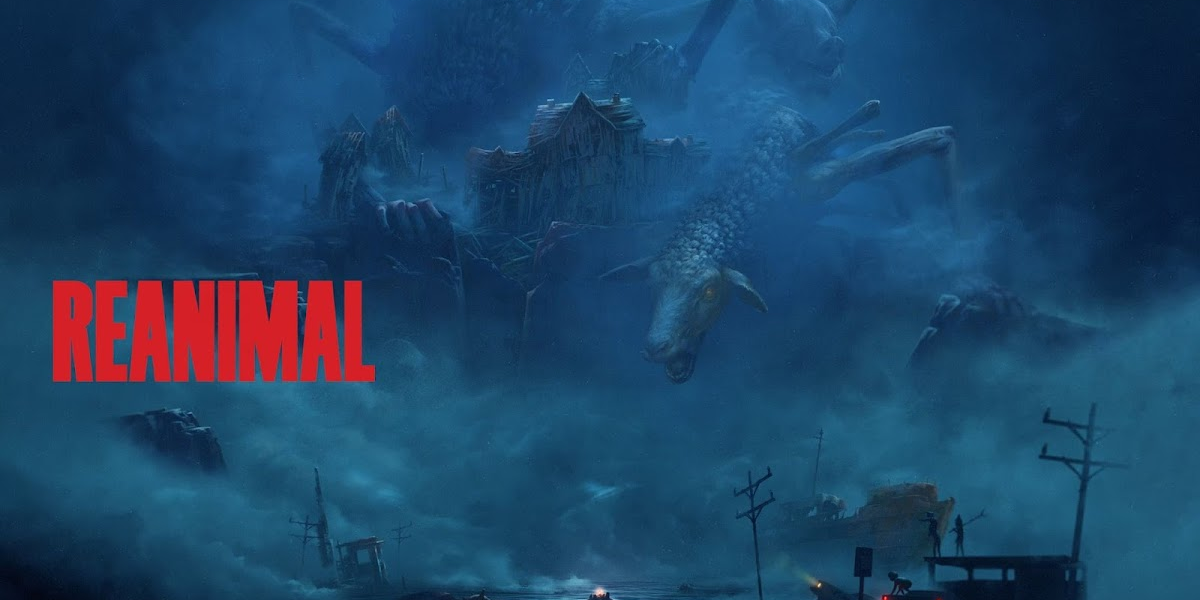
The first time we see the siblings in the reanimal game, it feels like a children’s picture book smashed into a nightmare. Soft colors sit next to rotten walls. Tiny hands reach through mud and metal. Within minutes, it is clear this horror game wants to be both beautiful and brutal, and it does not blink.
Tarsier Studios, the team behind Little Nightmares and its sequel, steps away from that series here and builds a fresh IP with the same twisted craft. Released on February 13, 2026, the reanimal game lands on PC, PlayStation 5, Xbox Series X|S, and Nintendo Switch 2. It mixes survival horror, stealth, cinematic platforming, and tight co-op play into one grim adventure across a broken island.
As people who live and work in the game industry, we look at more than scares. We pay attention to camera choices, AI behavior, level pacing, and how a team holds a risky idea together. In this review, we walk through what the reanimal game is, how its gameplay and design stand out, why its story hits hard for some players and misses for others, and how critics and fans reacted. We finish with what this kind of horror project means for game dev careers, and how platforms like Video Game Jobs help connect studios and talent ready for the next big scare.
"Horror works best when players fill the gaps with their own fears." — Senior Narrative Designer, AAA horror project
Key Takeaways
The reanimal game packs a lot into a short runtime, and there is a lot that developers, students, and hiring managers can learn from it. Before we dig into the details, it helps to see the big points in one place.
- Reanimal is Tarsier Studios’ first original horror IP after moving on from Little Nightmares, and it feels like a bolder, harsher cousin rather than a follow up. The reanimal game stands on its own world, cast, and tone, even while it keeps the same love for eerie child-sized horror. That choice shows how a known team can step into new ground without repeating itself.
- The game blends co-op survival horror, stealth, and cinematic platforming with a strong focus on environmental storytelling. Built on Unreal Engine 5, the reanimal game uses a shared camera, trauma-based monster design, and sound work that pushes every shadow. It pulls ideas from titles like It Takes Two, The Wind Waker, and Silent Hill 2, then twists them through its own dark filter.
- Reviews from critics are mostly positive, with OpenCritic showing a high recommend rate, yet players point to short length, a confusing story, and launch bugs. For people who build games, the reanimal game acts as a rich case study in horror design, cross-discipline teamwork, and the cost of shipping with technical issues, as well as a reminder of how many special roles sit behind one spooky screenshot.
What Is The Reanimal Game?
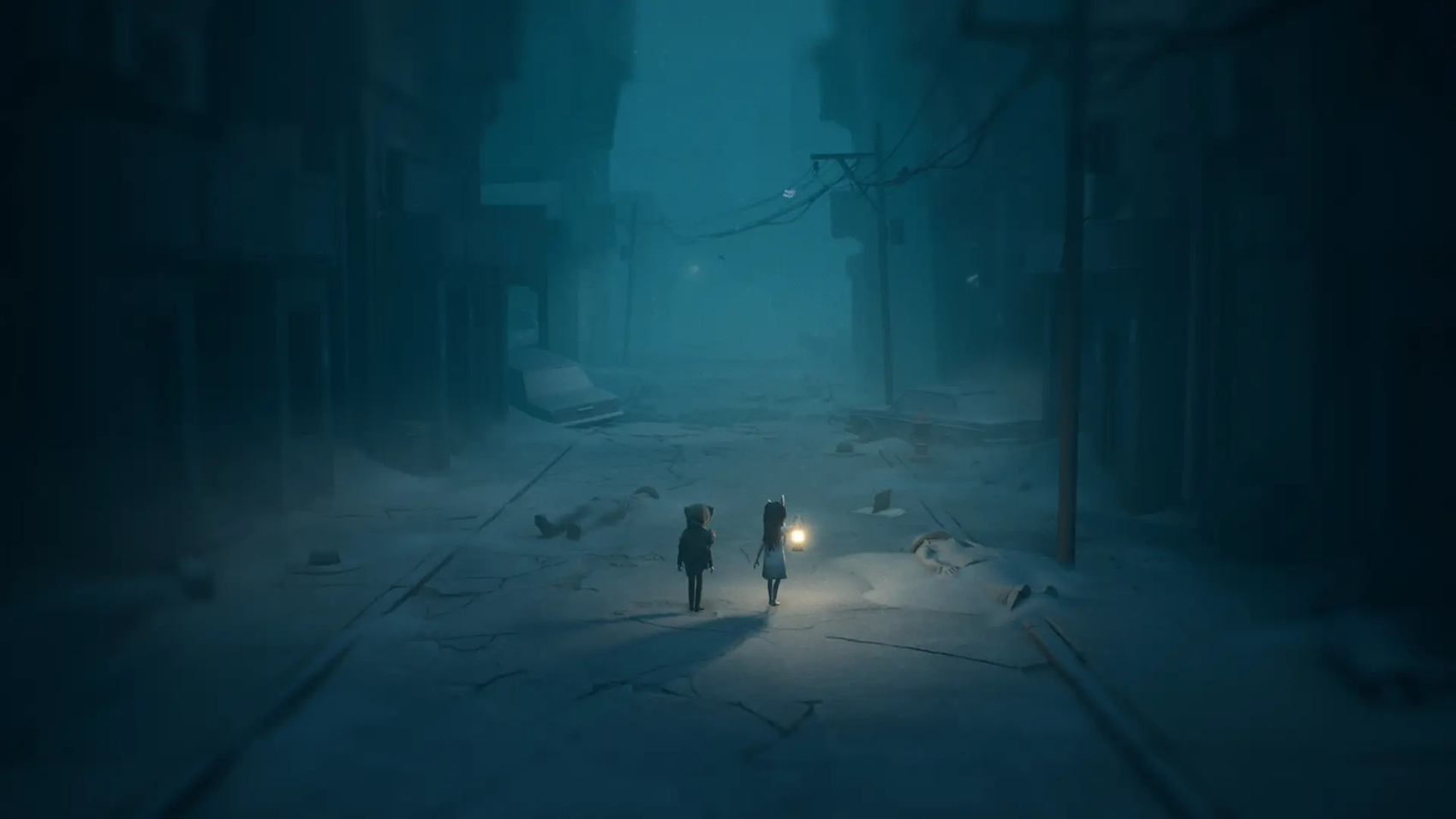
The reanimal game is a co-op focused horror adventure from Swedish developer Tarsier Studios, published by THQ Nordic and Amplifier Studios. It runs on Unreal Engine 5, which gives the team room for dense lighting, wet surfaces, and smooth animation in tiny spaces. On February 13, 2026, it released on PC, PlayStation 5, Xbox Series X|S, and Nintendo Switch 2, where it aims straight at fans of tense horror with a cinematic feel.
At its core, the reanimal game follows a brother and sister who wake on a twisted version of the island they once called home. They search for three missing friends named Hood, Bandage, and Bucket while trying to escape the island itself. As they move through factories, flooded halls, orphanage dorms, and a war-torn city, the siblings face monsters that feel less like creatures and more like physical scars of past harm. The tone is dark and often violent, even compared with Little Nightmares, and the story leans on mood and symbol as much as spoken lines.
This project also marks a clear break in Tarsier’s path as a studio. After Embracer Group bought the team in 2019, Bandai Namco kept the Little Nightmares rights and passed Little Nightmares III to Supermassive Games. That choice left Tarsier free to build the reanimal game from the ground up, without old canon to follow. Writer David Mervik leads the story effort, while composers Christian Vasselbring, Jacob Carlsson, and Stefan Almqvist shape a score full of scraping strings and distant thuds. Looking ahead, Tarsier has already mapped out a DLC expansion titled The Expanded World, planned as three chapters with the first part due in Summer 2026, which hints that the studio sees this new horror world as more than a one-off.
"A strong horror setting feels like a character in its own right." — Environment Lead, independent game studio
What Makes Reanimal's Gameplay And Design So Distinctive?
What stands out first about the reanimal game is how tightly it ties co-op to horror. We can play alone while AI runs the second child, yet every puzzle, chase, and stealth path clearly assumes two brains at work. Local split-screen and online co-op both support this, and cross-play lets friends on different systems share the same nightmare. The Friend's Pass lets one owner bring in a friend who has only the free pass version, which lowers the bar for people to try the game together. That pass caused anger on Steam when it did not show up at launch, but Tarsier pushed a fix within hours, which helped calm reviews again.
The camera system may be the boldest design choice. Instead of free control, the reanimal game uses a shared, directed camera that always keeps both kids in the same frame. Angles lean low, squeeze in tight hallways, and pull back in wide shots during set pieces. As developers, we can see the tech and design work here, from framing two separate players to keeping sight lines clear enough for platforming and stealth. It also acts as a story tool, since the lack of full control makes every space feel unsafe and cramped. When both players sprint toward the edge of the frame and the camera refuses to show what waits ahead, the tension spikes without a single jump scare.
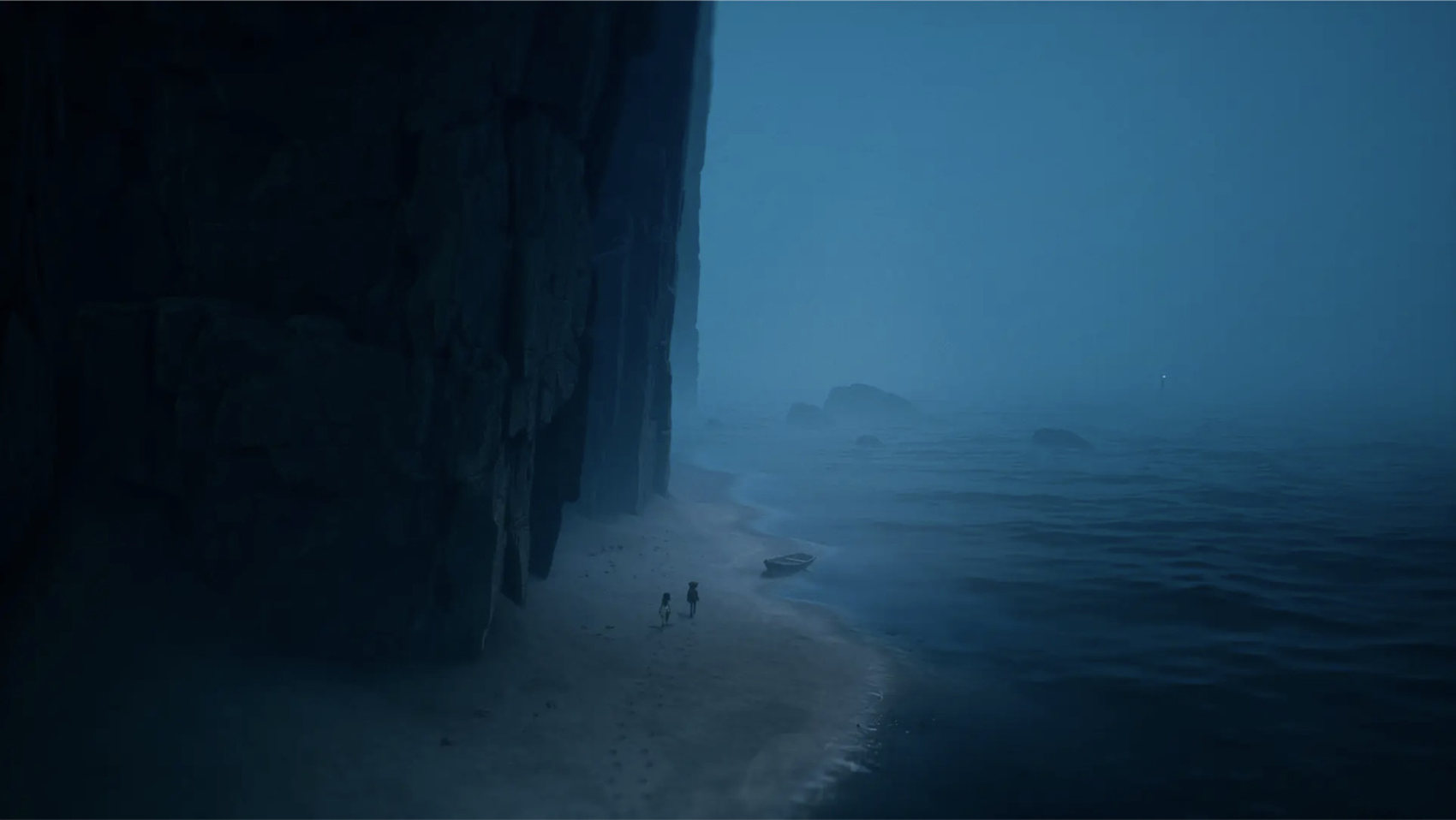
World design also gives the reanimal game a clear voice. The island uses a semi-open structure where we start on foot and later gain access to a boat. That boat turns the sea into a loose hub, sending us toward locations such as:
- industrial ruins
- a sagging hotel
- a broken lighthouse
- an orphanage full of stone children
- a bunker
- a city under assault
Each stop feels like its own short horror film that still ties back into the wider arc. Environmental storytelling does a lot of the heavy lifting, with posters, toys, and scraps of scenery hinting at what happened without long cutscenes. Players who slow down and read the world get a richer picture of the island’s past and the kids’ place in it.
Monster and character art pull all this together. Every main foe links back to the kids’ shared trauma; the lanky Sniffer, the swollen pelican that snatches a friend, the spider-like Mother, the dead-eyed horse, and the Lamb itself all feel like bad memories pushed into flesh. The boy wears a sack with a noose around his neck, while the girl hides behind a rabbit mask and a thin nightgown, visual signs that they carry damage before the game even starts. Tarsier likes to take calm, even cozy spaces and twist them with rust, mold, or wrong scale, and the reanimal game doubles down on that habit to build dread in almost every frame. Simple interactions—boosting a sibling up to a ledge, hiding together in a locker—gain extra weight when a monster’s shape looms just beyond the light.
"Co-op horror is like a two-person tightrope act – if one side loses balance, the whole scene falls apart." — Lead Game Designer, co-op horror project
How Does Reanimal's Story Hold Up?
On paper, the story in the reanimal game has a strong base. Two kids try to save their friends and leave a cursed island, while themes of trauma, guilt, and sacrifice lurk under every step. We follow the siblings as they trade small wins, like saving a friend from a monster, for harsher truths about what they did before the first shot. The girl’s stomach pains and visions of a lamb in a well add a steady sense of doom that hangs over even quiet scenes.
As the plot moves toward its last act, the game leans harder into symbol and shock. The lamb from the girl’s visions forces its way into the real world, swallows each of their friends, and turns into a towering mass of flesh. During the last section, we move through a city full of soldiers who seem to welcome their own deaths, then ride a tank into one more boss clash with the Lamb. Inside that creature, the game reveals its sharpest twist, showing that the boy and the three friends once dragged the girl to the well for a blood ritual, leaving her body at the bottom. This scene flips earlier moments on their head and makes the rescue feel less like simple heroism and more like a scramble to hide a crime.
Endings in the reanimal game keep that tone. In the base ending, the camera returns to the well, water rises, and the girl’s body floats upward, leaving plenty of room for players to argue over what that image means. A hidden post-credits scene, which appears if we find five secret coffins, shows rabbit-masked shapes climbing from the well around her body. While many players praise the ambition and mood, some feel that the way the game cuts between images and scenes makes parts of the plot hard to follow, especially compared with the simpler arcs in Little Nightmares. Giving the kids voices instead of silent mime work also splits opinion; some feel spoken lines add heart, while others think they weaken the feeling of a wordless nightmare. For us, the story hits more than it misses, but its fragmented style will not work for every player.
From a developer’s angle, though, this structure is a useful reminder: horror stories do not need neat answers, but they do need clear emotional threads that players can cling to even when the plot gets weird.
What Did Critics And Players Think Of Reanimal?
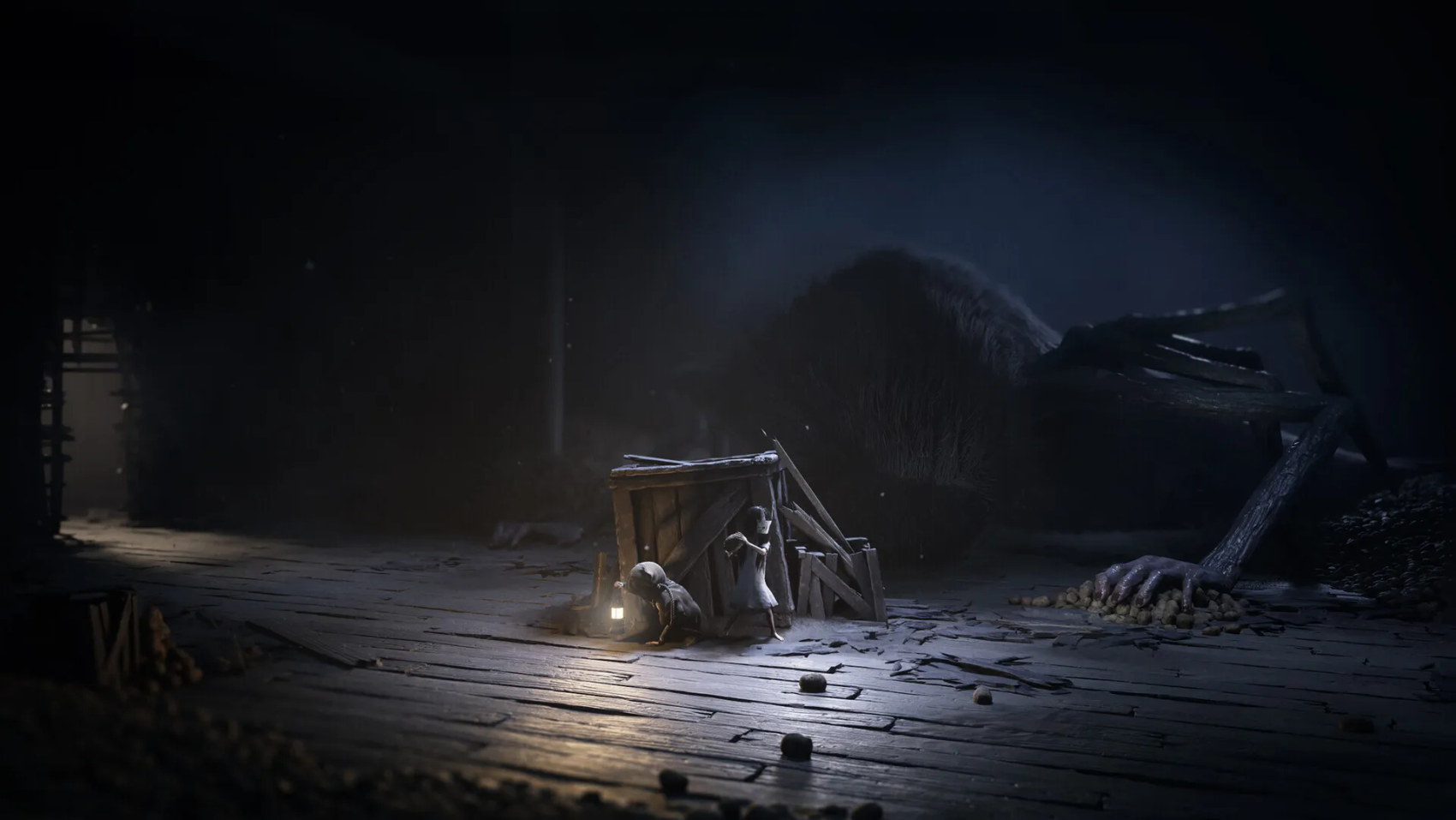
At launch, the reanimal game landed well with critics. Review summaries on sites like Metacritic describe scores in the positive range, and OpenCritic reports that more than four out of five reviewers recommend the title. Many reviews praise the art direction, the dense sound design, and the way the score teases danger before it shows on screen. The shared camera, detailed monster models, and environmental storytelling also draw steady respect from people who cover horror games for a living.
Player feedback paints a more mixed picture. Many fans finish the reanimal game in three to four hours, which leads to complaints about value at full price. Some horror fans say the tension works but the actual creature encounters feel lighter than they hoped, with more focus on set pieces than on raw fear. The story also gets tagged as confusing or messy, especially by players who want clear answers rather than heavy symbol. Others appreciate the shorter length, arguing that it keeps the pacing tight and prevents the mechanics from wearing thin.
Technical issues add fuel to that fire. PlayStation 5 players report crashes during the intro when trying to run local co-op, while some users across platforms run into Epic services errors that block online co-op sessions. On Steam, missing Friend's Pass support at launch triggers a short wave of negative reviews before Tarsier pushes the feature live that same day. Even with those bumps, the broad view on the reanimal game is that it marks a strong first step for a new horror IP, with some sharp edges that a team can sand down over time.
For anyone interested in game development, watching how patches, communication, and community support evolve around a title like this can be as educational as the game itself.
What Reanimal Teaches Us About Horror Game Development Careers
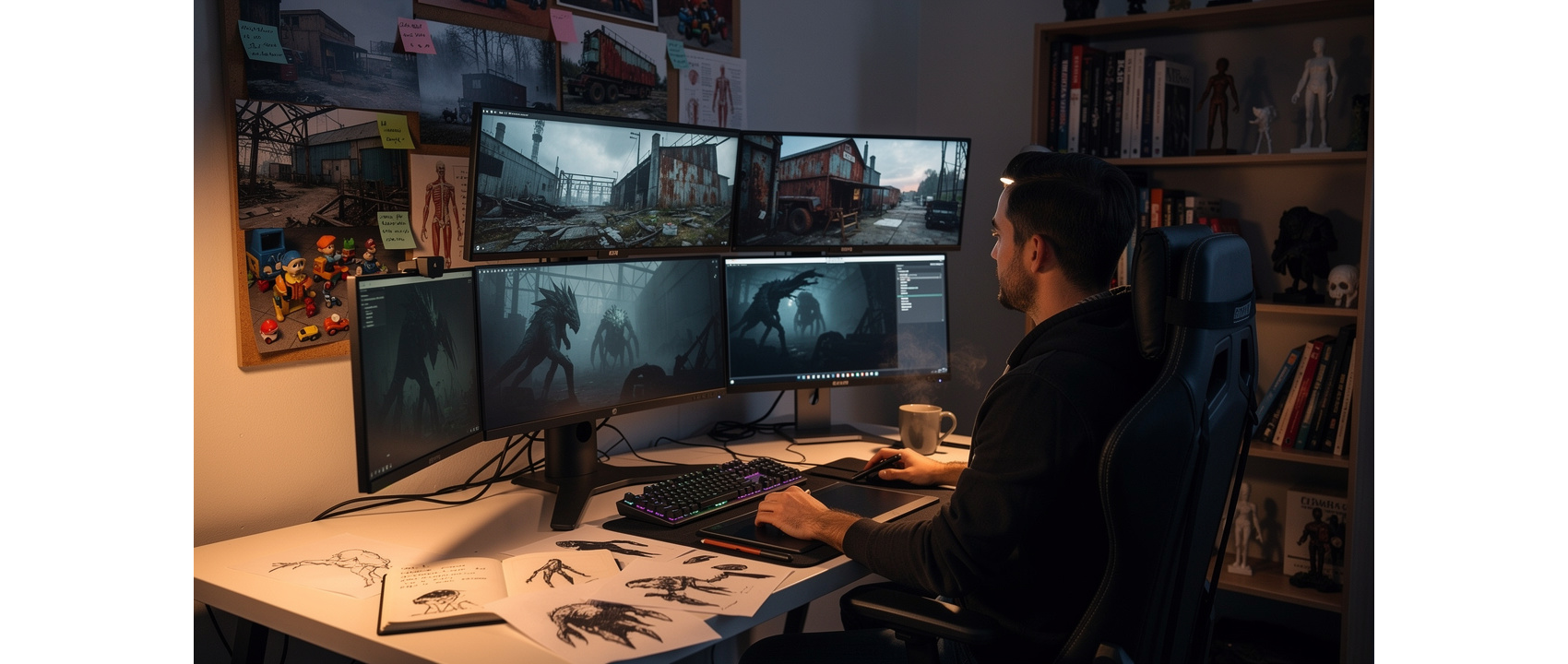
When we look at the reanimal game as developers and recruiters, it reads like a checklist of skills that modern horror projects need. A single spooky idea is not enough; the game depends on tight coordination between narrative, systems, art, audio, and QA. If any part slips, the whole illusion starts to crack, and players notice fast.
Several disciplines stand out:
- Narrative designers shape the layered story, where a child’s mask or a scribble on a wall hints at past harm.
- Gameplay engineers and AI programmers build the co-op skeleton, from the partner AI in solo play to the shared camera and enemy behavior.
- Game artists and animators bring monsters and spaces to life, while technical artists keep Unreal scenes running on four hardware families.
- QA testers and tools programmers stand behind those teams, chasing co-op crashes and network bugs that can ruin the experience no matter how strong the art is.
For people who want to work on horror, game jams, student projects, and mods that show smart use of fear, pacing, and symbol can say more than any degree, and studies examining Stress and Violence in video game design reveal that tension mechanics rooted in psychological stress rather than graphic content tend to produce more lasting emotional impact. A small greybox level that nails tension or a short narrative demo that handles trauma with care can make a portfolio stand out to hiring teams who love the genre.
"When we review portfolios, we look for finished, shippable work more than raw ideas." — Hiring Manager, mid-size game studio
This is where we at Video Game Jobs come in. Our platform focuses only on the game industry, so studios building the next reanimal game style project can post for exactly the roles they need, from junior QA on a horror co-op title to senior narrative leads on a new IP. We help candidates link strong portfolios, share prototypes built in engines like Unreal, and understand how to talk about their work in clear, concrete ways. For teams and talent who care about tense, story-driven horror, we aim to be the place where those connections start.
Conclusion
The reanimal game is a rare horror title that feels both gorgeous and deeply mean. Its art and sound work together to make every hallway feel unsafe, its co-op camera and puzzles push two players to think as one, and its monsters stay in the mind long after the credits. At the same time, the short runtime, uneven scares, and rough launch bugs keep it from total classic status for many players.
For us, that mix does not lessen its value; it shows how hard it is to ship bold horror at this scale. The reanimal game proves that there is plenty of room for smaller, focused horror projects that take risks with story and design. It also reminds us that these games only happen when skilled people across many roles pull in the same direction. If that kind of work sounds like home, or if a studio needs people ready to help build the next big scare, Video Game Jobs is ready with gaming-only roles and resources to help both sides meet.
FAQs
The reanimal game raises a lot of questions, not only from players but also from students and professionals who want to work on similar projects. Here are clear answers to some of the most common ones we hear.
Is The Reanimal Game A Sequel To Little Nightmares?
No, the reanimal game is not a sequel to Little Nightmares. Tarsier Studios no longer controls that series and chose to build a brand new horror IP instead. The game stands as a spiritual cousin, with similar mood and scale, but it uses its own cast, world, and story rules.
How Long Is The Reanimal Game?
Most players report that a first playthrough of the reanimal game takes around three to four hours, depending on how long they explore side paths. That short length is one of the main complaints raised at launch, especially for people who buy at full price. Tarsier has announced a DLC expansion called The Expanded World with three chapters, and the first part should arrive in Summer 2026, which may add more playtime.
Does Reanimal Have Multiplayer?
Yes, the reanimal game is built around two-player co-op. We can play with a friend in local split-screen or online, and cross-play lets people on different systems connect. In addition, a Friend's Pass option allows someone who owns the full game to invite a friend who only has the free pass, so both can move through the story together without two full purchases.
