
Introduction
A great Resident Evil game always walks a thin line between fear and power. Resident Evil 9 Requiem pushes that line harder than ever by asking us to survive the same nightmare in two very different ways. It plays like two tense campaigns woven into one long, shared panic attack.
Resident Evil 9 is the ninth mainline entry from Capcom, built in the RE Engine and launching worldwide on February 27, 2026. It lands on PlayStation 5, Xbox Series X/S, Windows PC, and Nintendo Switch 2 on the same day. This time we move between two leads, Grace Ashcroft and Leon S. Kennedy, each built around a different style of horror and action.
In this guide we walk through what Resident Evil 9 is about, how its dual-protagonist system works, how exploration and puzzles fit together, what to expect from enemy AI, and how the game runs on each platform. By the end, we want players to head into Raccoon City prepared instead of clueless, and game makers to notice the smart design choices hiding under all that blood and static.
Key Takeaways
Before we dive deep into Resident Evil 9 Requiem, here are the big ideas that matter most.
- Resident Evil 9 Requiem launches on February 27, 2026 on PlayStation 5, Xbox Series X/S, Windows PC, and Nintendo Switch 2. It is the ninth mainline survival horror entry from Capcom and continues the long story that began with the Raccoon City disaster. All platforms share the same global release day.
- The game splits its campaign between Grace Ashcroft and Leon S. Kennedy, and those halves feel completely different. Grace leans into stealth, fear, and limited combat, while Leon is all about sharp shooting and aggressive moves. This contrast keeps the pacing fresh and forces players to learn two skill sets.
- Resident Evil 9 lets players switch between first-person and third-person views at any time. Grace defaults to first-person to boost tension and immersion, while Leon defaults to third-person so his combat reads clearly. Choosing the right view for each moment becomes a real tactical choice.
- Levels are semi-interconnected in the style of the Spencer Mansion and Raccoon Police Department, with backtracking, locked paths, and hidden shortcuts. Exploration, puzzles, and strict inventory limits all work together. On PC, the RE Engine adds path tracing, DLSS 4, and Nvidia Reflex so the horror looks sharp and runs smoothly.
What Is Resident Evil 9 Requiem And Why Does It Matter?
Resident Evil 9 Requiem, known in Japan as Biohazard Requiem, is Capcom’s next big step for the series. Directed by Koshi Nakanishi, the director behind Resident Evil 7, it returns to full single-player survival horror after early plans for an online open-world game were dropped. That shift alone shows how strongly the team wanted to listen to what long-time fans kept asking for.
The story takes place around thirty years after the fall of Raccoon City. Umbrella’s shadow still hangs over the world, and strange deaths at the condemned Wrenwood Hotel pull the past back into focus. Grace Ashcroft, an FBI intelligence analyst and self-described bookworm, is sent to the hotel to study those deaths. For her, the mission is personal, because her mother died in that same building eight years earlier.
On the other side of the country, we follow Leon S. Kennedy, now an older, battle-tested DSO agent. Leon is sent to the Midwest to investigate a series of incidents tied to Victor Gideon, a former Umbrella scientist. His updated look has been shaped with the idea of a “cool older man” in mind, and his side of Resident Evil 9 leans into sharp, stylish action.
The tone this time is darker and more grounded than the loud, wild style of Resident Evil 6. Over a six-year development cycle, the team tested different ideas, then moved back toward tight, focused horror with strong character work. For both players and game developers, Resident Evil 9 stands as a clear signal that Capcom still treats careful, pressure-heavy survival horror as the core of this series.
How The Dual-Protagonist System Changes Everything
We can think of Resident Evil 9 as one long horror film told through two very different lenses. The campaign moves between Grace and Leon, and each switch in control changes how we feel, how we move, and even how we read the same spaces. Developers have compared the change in tone between them to jumping from a hot room straight into cold water, a contrast that Resident Evil Research Papers in game studies have long identified as a hallmark tension-building technique in the series.
Grace’s segments are slow, tense, and all about staying unnoticed. Leon’s chapters hit harder and faster, asking us to push forward instead of backing away. Because the game supports both first-person and third-person views, we can tune each scene even more, choosing the angle that best matches our nerves and our aim.
From a design angle, this dual structure lets Capcom:
- Contrast pure survival horror with action-horror combat
- Reuse locations in fresh ways by framing them through different skill sets
- Teach players pacing, patience, and aggression through character choice instead of long tutorials
Playing As Grace Ashcroft – Pure Survival Horror

Grace is not a soldier, and the game never lets us forget it. When we control her in Resident Evil 9, progress feels like creeping through a haunted maze instead of running through a shooting gallery. Crouching, peeking around corners, and sliding under furniture become basic survival skills.
Ammo and healing items are very rare in her sections, and reload times feel slow on purpose. We carry a simple lighter to push back the dark, but that light also makes it easier for monsters to spot us. Glass bottles found in the environment can be thrown to draw enemies away, so smart players treat sound as a tool, not only as a threat.
The real terror for Grace comes from a relentless stalker monster that roams the Wrenwood Hotel. It can follow through rooms, climb walls and ceilings, and show up when we feel safest. Her chapters default to first-person, which makes every footstep and door creak feel close and personal. When we play well as Grace, it is because we learn to think like prey and move with care instead of ego.
For players who want to keep Grace alive longer, it helps to:
- Move slowly and watch enemy routines before stepping into a room
- Use thrown items and doors to redirect attention instead of firing a shot
- Keep the lighter off whenever possible and rely on sound to navigate
Playing As Leon S. Kennedy – Action-Horror Combat
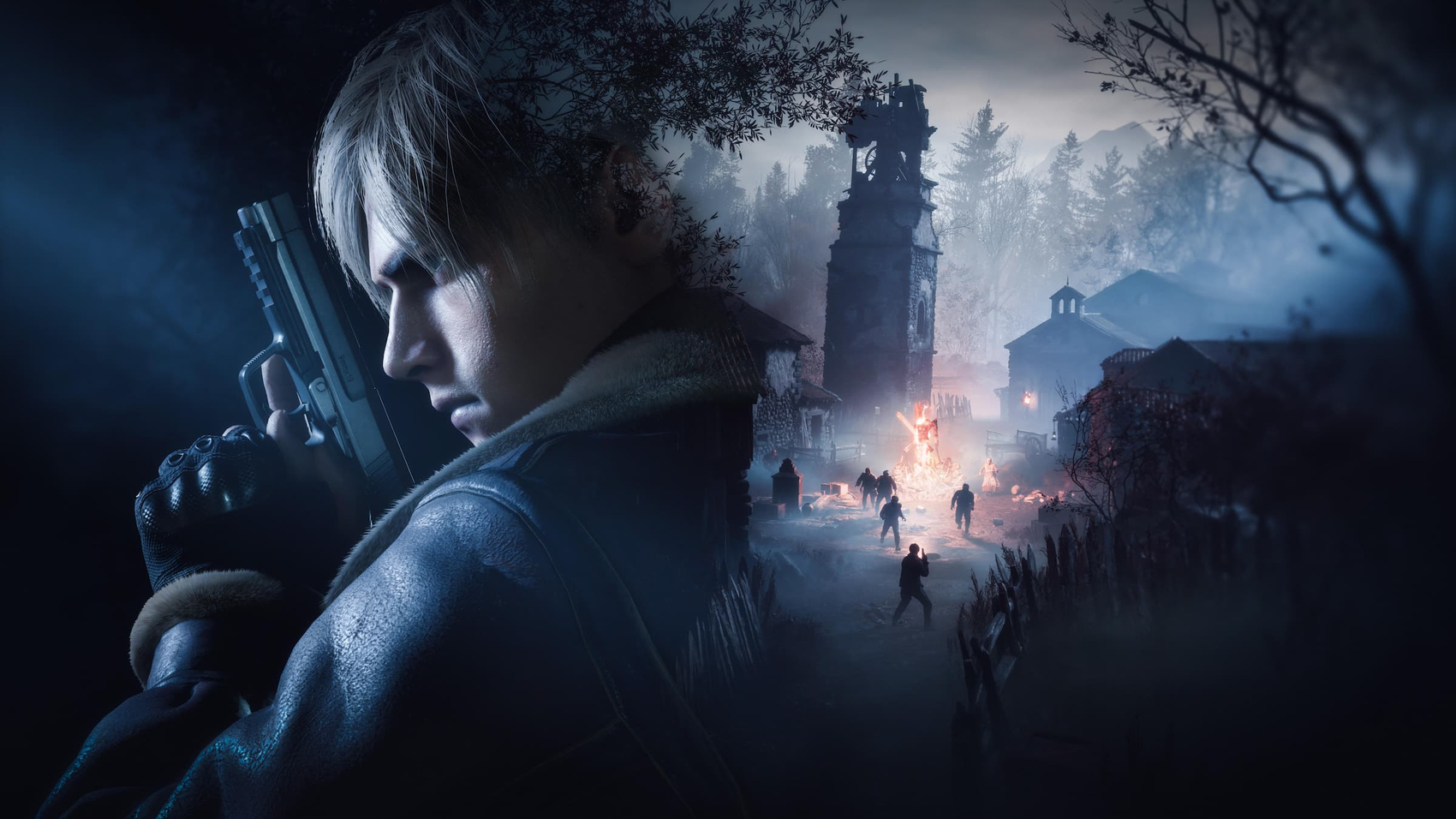
Leon’s side of Resident Evil 9 sits at the other end of the horror spectrum. He is fast, trained, and loaded with gear, and the game asks us to own that strength. Movement feels quicker, aiming is snappy, and the third-person camera gives a clear view of crowds, cover, and flanking routes.
Leon carries a wider set of firearms along with heavy melee moves. A new hatchet lets him parry incoming swings, though it only lasts for a limited number of uses, so it never becomes a free shield. He can even grab certain weapons dropped by enemies, turning a tight spot into an opening if we react fast enough. Weapon upgrades, mods, and tactical gadgets push us toward a bold, aggressive play style.
The enemies facing Leon respond in kind. They rush in groups, circle around, and soak up more damage than in Grace’s chapters. Limb targeting becomes important, since removing movement or attacks can save ammo and health. Even in full action mode, Resident Evil 9 still feels like survival horror, because every bullet we miss now makes the next room a lot more dangerous.
To get the most from Leon’s chapters, players should:
- Aim for knees and arms to slow or disarm tougher foes
- Use arenas with intention, funneling enemies into chokepoints
- Save heavy weapons and explosives for crowded hallways or minibosses
How To Navigate Exploration, Puzzles, And Resource Management

Resident Evil 9 uses a world layout that calls back to the best parts of older games in the series. Instead of wide open fields, we move through a semi-interconnected web of hallways, wings, and hidden loops, much like the Spencer Mansion or the Raccoon Police Department. New keys, tools, and story beats send us back through old routes, often with new threats waiting.
What makes this structure interesting is how different it feels between Grace and Leon. As Grace, the Wrenwood Hotel is a choking maze of blind corners, blocked doors, and cramped hiding spots. As Leon, many of those same rooms become small combat arenas with sightlines, chokepoints, and flanking paths. We start to build a mental map that shifts slightly depending on who we are controlling.
Puzzles play a much stronger role again. Many involve several rooms at once, asking us to notice symbols on walls, track power routes, or move objects in one space to change another. Others form optional chains that reward careful players with powerful weapons or important upgrades. Inventory-based riddles and hidden lore entries reward those who read notes and item descriptions instead of skipping past every scrap of text.
Resource management ties all of this together. The classic grid-style inventory is back, and this time crafting items chew up just as much space as ammo and herbs. We keep running into hard choices about whether to carry more healing, more bullets, extra crafting materials, or a puzzle item that might not matter for another hour. Safe rooms feel rarer than before, which makes every trip through hostile areas more tense.
To handle Resident Evil 9 exploration without feeling overwhelmed, treat your inventory like a small strategy game:
- Before leaving a safe room, decide whether your next stop is puzzle-heavy or combat-heavy
- Carry one or two puzzle items at most unless you are sure a big chain is nearby
- Keep a buffer of ammo and one healing item instead of overloading on just one resource
This sort of planning pays off, because nothing feels worse than finding a vital weapon upgrade and realizing we left no room to grab it.
What To Know About Enemy AI And Horror Design
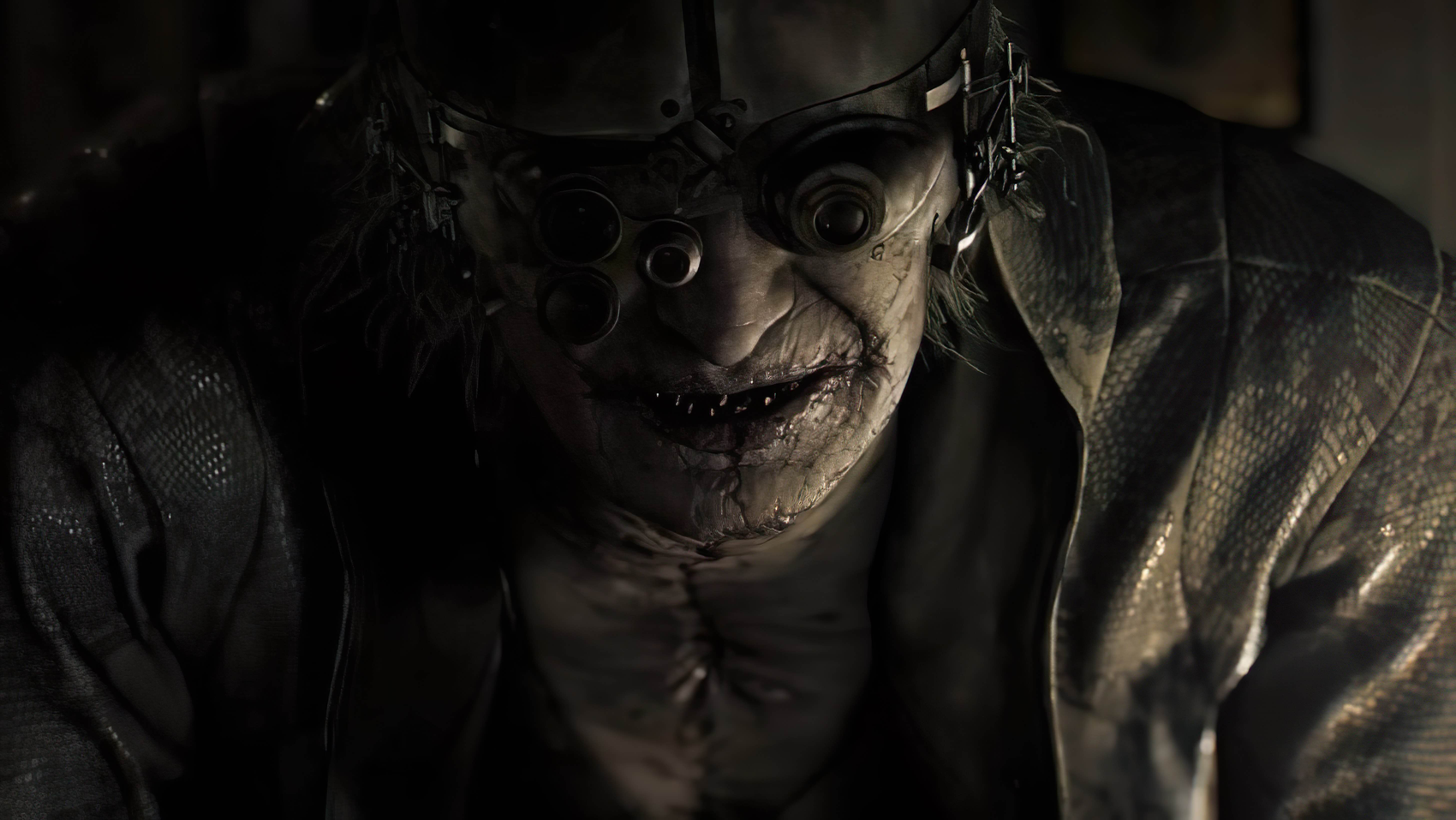
Resident Evil 9 builds its horror around steady pressure instead of cheap jumps. Rather than throwing endless fights at us, the game fills each hallway with the sense that something could hear us, see us, or cut us off if we get careless. When it does use jump scares, they sit on top of that slow burn rather than replace it.
Horror legend H. P. Lovecraft once wrote:
“The oldest and strongest emotion of mankind is fear, and the oldest and strongest kind of fear is fear of the unknown.”
That idea runs straight through Resident Evil 9. The unknown is everywhere: behind a door, inside a vent, or down a staircase we have walked three times already.
The enemy AI is a big part of that feeling. Many creatures patrol wide, linked areas instead of tiny, looping paths. They react to sounds like broken glass, footsteps, and gunshots, and they notice light sources in dark spaces. If we keep abusing the same trick, such as always hiding in one corner or always running past the same doorway, they start to check those spots more often.
Grace’s stalker monster raises the tension even further. It slides through rooms, climbs over ceilings, and can burst into places that would be safe in older games. This means we cannot sit in one hiding place forever, waiting for it to leave. Listening closely to its movements and planning backup routes becomes just as important as any gun we might pick up later as Leon.
Early playtests did show some rough edges, like enemies snagging on doorways or losing the trail a bit too fast, along with some mid-tier monsters that felt a little too tough — issues that community analysts have flagged in discussions around the New theory on Requiem's AI routing systems. For players, the answer is to aim smart and stay patient. Focusing fire on limbs, using the environment, and backing out of bad fights can save a lot of ammo and health.
Sound design turns into a real tool here. Distant footsteps, muffled breathing through walls, and soft scraping in vents are not just mood pieces. We learn to read them the way we read a mini-map in other games. With headphones on and the volume set right, Resident Evil 9 teaches us to play with our ears as much as with our thumbs.
Platform Performance And Technical Features You Should Know
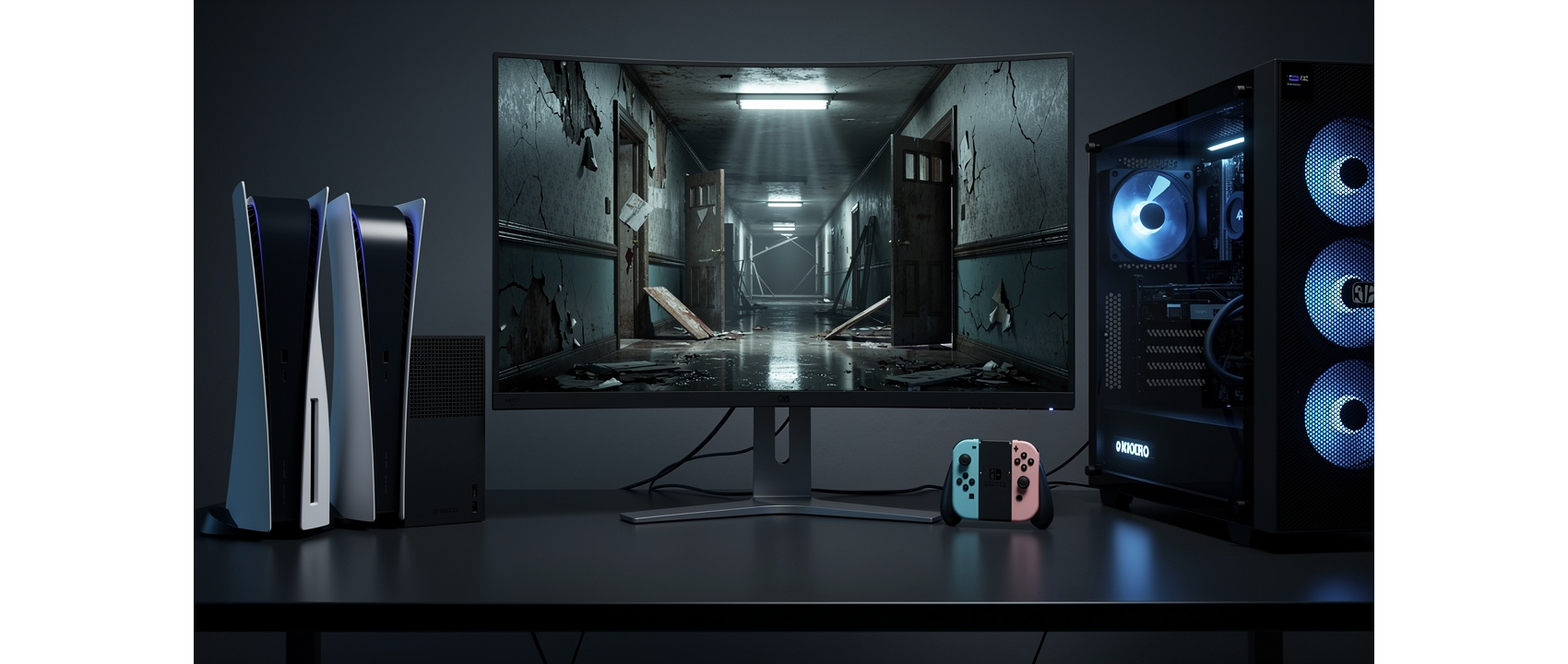
From a tech point of view, Resident Evil 9 is built to show off the RE Engine again. The lighting falls harshly across dust-filled hotel halls, shadows bend across broken tiles, and tiny details in props and faces pull us deeper into each scene. Strong audio work then glues the picture together with echo, reverb, and distant rumble.
On PC, Capcom is going big with high-end features. Full path tracing brings ray-traced global illumination, reflections, shadows, and ambient occlusion into a single system, which can make every flashlight beam and flickering bulb look convincing. DLSS 4 support lets Nvidia users trade AI upscaling for more frames or more image clarity, while Nvidia Reflex cuts down input latency to keep controls feeling sharp during frantic fights.
Console players get a solid setup as well. On PlayStation 5 Pro, Resident Evil 9 targets a steady 4K image at sixty frames per second with ray tracing active. The base PlayStation 5 still gets strong performance, even if the resolution or effects scale a bit. The Nintendo Switch 2 version has drawn good early comments for smooth frame rates, and it uses gyroscope aiming instead of more confusing motion options tested earlier.
For players deciding where to buy, that means Resident Evil 9 should run well on every current system, with PC offering the highest ceiling and consoles giving a clean, plug-and-play horror experience. For developers watching from the outside, it is also a clear example of how a single in-house engine can stretch across high-end rigs and portable hardware without losing the feel of the game.
Conclusion
Resident Evil 9 Requiem stands out as one of Capcom’s boldest spins on survival horror in years. By splitting the story between Grace and Leon, the game blends quiet, desperate stealth with sharp, confident combat, all inside a maze of linked rooms, puzzles, and scarce resources. Enemy AI and sound design keep the pressure steady, even when nothing is directly in front of us.
To thrive in Resident Evil 9, players need to master Grace’s careful movement, Leon’s arena control, smart inventory choices, and patient reading of enemy behavior. When those pieces line up, every escape feels earned instead of handed out.
For many people reading this, the game is more than entertainment. It is also a case study in horror design, character work, AI systems, and technical polish. At Video Game Jobs, we focus on roles across design, programming, art, audio, production, and narrative for studios building games like this. If Resident Evil 9 makes someone want to design better stalker AI, script tense scenes, or lay out tight maps, our gaming-exclusive job board is where those skills meet the teams that need them.
FAQs
When Does Resident Evil 9 Requiem Release And What Platforms Is It On?
Resident Evil 9 Requiem has a global release on February 27, 2026. It launches on PlayStation 5, Xbox Series X/S, and Windows PC on the same day. A Nintendo Switch 2 version arrives alongside them, so players on every current system can step into the horror at the same time.
Who Are The Playable Characters In Resident Evil 9?
Resident Evil 9 features two playable characters. Grace Ashcroft is a new FBI intelligence analyst whose sections focus on stealth, hiding, and pure survival horror inside the Wrenwood Hotel. Leon S. Kennedy returns as a veteran agent, bringing faster movement, heavier combat options, and more aggressive encounters to his missions.
Can You Switch Between First-Person And Third-Person In Resident Evil 9?
Yes, Resident Evil 9 lets players switch between first-person and third-person views at almost any time. Grace’s chapters default to first-person to heighten fear and immersion, while Leon’s default to third-person to support clear, dynamic combat. Players can swap views to match their comfort level, the room layout, or the kind of threat ahead.
Is Resident Evil 9 Requiem A Direct Sequel?
Resident Evil 9 Requiem is part of the main series story, but it is not a direct follow-up to one single earlier game. It takes place about thirty years after the Raccoon City incident and picks up threads tied to the Umbrella Corporation. Leon S. Kennedy returns, while Grace Ashcroft enters the series for the first time.
